
Dialysis Research Center
From enduring dialysisto managing it
Chaeeum's Dialysis Unit Based on Integrative Medicine Collaboration
For patients with chronic kidney failure, hemodialysis is an essential life-sustaining treatment. However, dialysis sessions 2-3 times a week come with various side effects including muscle cramps, fatigue, skin itching, hypotension, and sleep disturbances, significantly reducing quality of life. The Chaeeum Dialysis Research Center combines hospital-level infrastructure with an integrative medicine system, managing not only dialysis safety but also side effects and overall health.
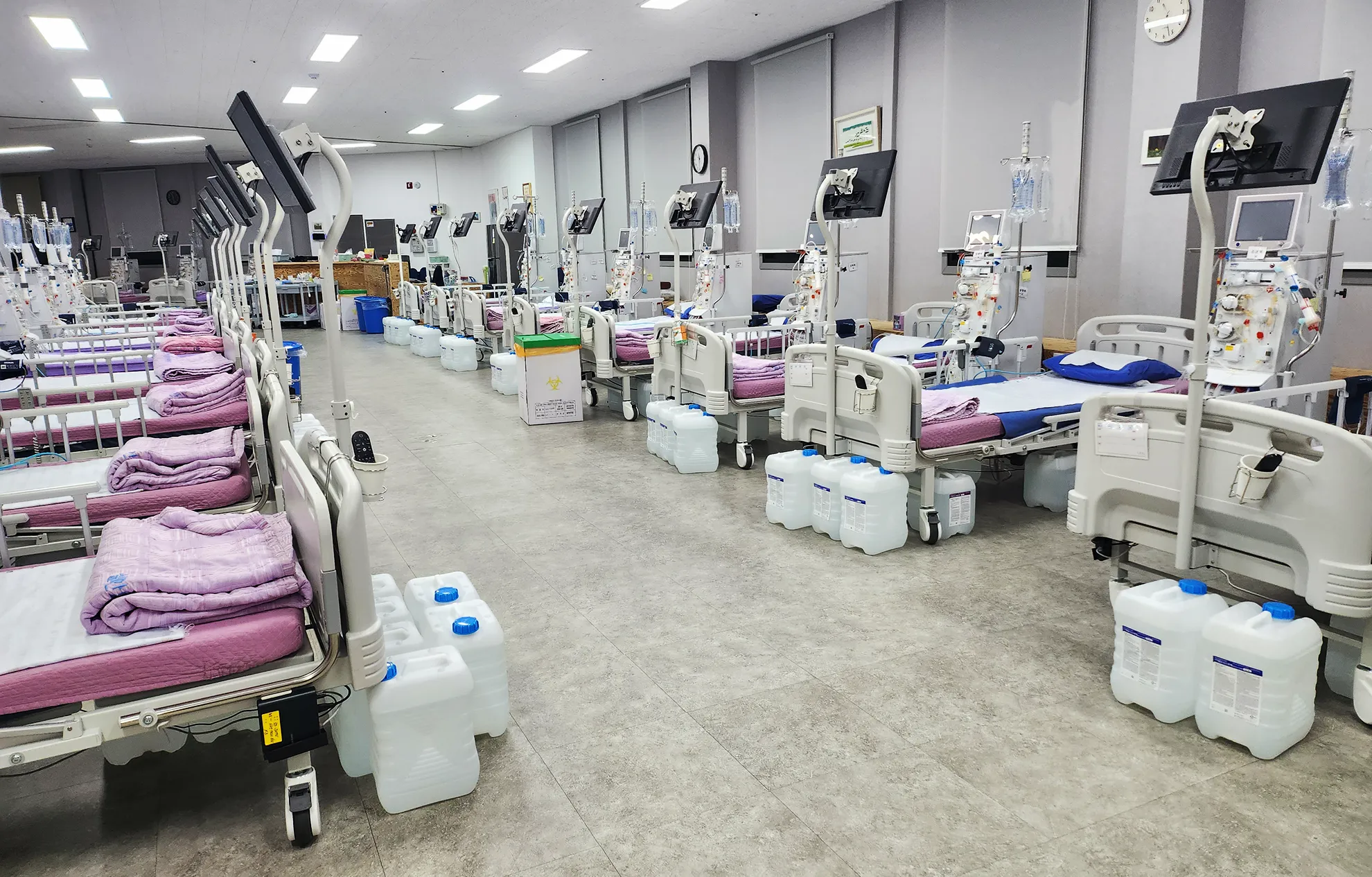
The Only Hospital-Level Dialysis Unit in Cheongju Ochang
Chaeeum's dialysis unit operates at hospital-level. Equipped with inpatient beds, emergency response infrastructure, and specialized medical staff, we can respond immediately to any emergencies during dialysis.
Hospital-Level Standards
Unlike clinics, dialysis is performed within a hospital-level infrastructure with inpatient facilities and multidisciplinary medical staff.
Emergency Response System
Immediate emergency treatment is available on-site for acute complications such as hypotension and arrhythmia during dialysis.
Integrative Medicine System
With both the medical and Korean medicine departments operating within the same institution, comprehensive management of dialysis side effects is possible.
Dedicated Dialysis Annex
A dedicated dialysis research center annex connected to the main hospital building provides an optimized environment for dialysis patients.
Specialized Dialysis Nursing Team
Chaeeum's dialysis unit maintains a dedicated team of nurses with specialized dialysis training, providing meticulous patient care throughout every dialysis session.
Real-Time Vital Monitoring
Blood pressure, heart rate, and weight changes are monitored in real-time during dialysis to detect early signs of complications.
Vascular Access Management
The arteriovenous fistula (vascular access) is checked every session to prevent complications such as infection and stenosis.
Real-Time KM Collaboration
Side effects such as muscle cramps, hypotension, and pruritus during dialysis are shared with Korean medicine practitioners for immediate response.
Patient Education & Counseling
Education and counseling on daily management including diet, fluid intake, and medication for dialysis patients.
Inpatient Care & Integrated Dialysis Management
As a hospital-level medical institution, Chaeeum operates both inpatient wards and a dialysis unit within the same facility. This enables a one-stop system where hospitalization, comprehensive care, and dialysis treatment are all handled in one place.
In-Hospital Dialysis Access
With inpatient wards and the dialysis unit in the same building, patients can receive dialysis directly during their hospital stay without the burden of travel.
24-Hour Nursing Care
Inpatients are monitored around the clock, with immediate response to any changes in condition before and after dialysis.
Integrative Inpatient Care
Korean medicine treatments for dialysis side effects are provided intensively during hospitalization, accelerating recovery.
Full-Body Recovery
Physical strength and immunity depleted by dialysis are intensively restored during the hospital stay.
Who May Benefit from Hospitalization
- Patients with severe dialysis side effects affecting daily life
- Patients in the early adaptation phase of dialysis
- Patients requiring concurrent management of comorbidities (diabetes, cardiovascular disease, etc.)
- Patients needing a stabilization period before transitioning to outpatient dialysis
Hospitalization Process
1Step: Outpatient Consultation & Assessment
The medical team evaluates the patient's condition and discusses the necessity and expected duration of hospitalization.
- Initial consultation
- Assessment
2Step: Admission & Initial Tests
Admission procedures are completed with initial examinations including blood tests and imaging to establish the treatment plan.
- Admission
- Initial tests
3Step: Dialysis + Integrative Inpatient Treatment
Regular dialysis sessions are combined with Korean medicine treatments (acupuncture, pharmacopuncture, Korean medicine) for simultaneous side effect management and overall recovery.
- Dialysis
- KM collaboration
4Step: Stabilization & Discharge
Once the patient's condition stabilizes, transition to outpatient dialysis or discharge with continued follow-up care.
- Outpatient transition
- Follow-up
Hospitalization and dialysis costs are covered by national health insurance. Korean medicine treatments (acupuncture, Chuna, Korean medicine) are also eligible for insurance coverage. Specific co-payment details are provided during consultation.
6 Common Side Effects Dialysis Patients Experience
These symptoms are common during dialysis but often left unmanaged. The Chaeeum Dialysis Research Center addresses them systematically through integrative medicine.
Muscle Cramps During/After Dialysis
Muscle cramps caused by rapid fluid removal and electrolyte imbalance during dialysis are one of the most common acute complications. They primarily affect the calves and are accompanied by severe pain.
Korean Medicine Approach
Stimulation of acupoints BL57, GB34, ST36 for muscle relaxation and reduction of cramp frequency and intensity
Research Evidence
J Acupunct Meridian Stud 2024 — RCT with 50 dialysis patients showed significant reduction in calf cramp pain intensity and frequency in the acupuncture group
Restless Legs Syndrome (RLS)
Particularly prevalent among dialysis patients, RLS involves recurring unpleasant leg sensations with an urge to move, severely impairing sleep quality and quality of life.
Korean Medicine Approach
Electroacupuncture stimulation of lower limb acupoints BL57, LR3, SP6 for symptom relief
Research Evidence
Ann Palliat Med 2021 meta-analysis (18 studies) — acupuncture group cure rate 47.8%, total efficacy 99.4%; J Integr Complement Med 2024 RCT — significant improvement in IRLSRS scores and insomnia
Post-Dialysis Fatigue & Depression
Extreme fatigue and weakness after dialysis are experienced by the majority of patients and can easily lead to depression. Depression in dialysis patients directly affects treatment compliance and prognosis.
Korean Medicine Approach
Autonomic nervous system regulation through acupuncture, promotion of serotonin and endorphin secretion, qi-blood replenishment through Korean medicine
Research Evidence
Acta Psychologica 2025 multi-center RCT (64 patients) — 12-week acupuncture significantly reduced HAMD depression scores, improved quality of life, and showed improvement trends in serum albumin and hemoglobin
Peripheral Circulation Disorders (Numbness & Cold Sensation)
Dialysis patients frequently experience peripheral neuropathy and circulation disorders due to arteriovenous fistula formation, uremic toxin accumulation, and comorbidities such as diabetes. Numbness, cold sensation, and sensory abnormalities are common symptoms.
Korean Medicine Approach
Acupuncture and electroacupuncture for peripheral blood flow improvement and nerve conduction promotion; pharmacopuncture for local circulation stimulation
Research Evidence
Front Neurol 2024 meta-analysis — electroacupuncture for diabetic peripheral neuropathy showed significant motor nerve conduction velocity improvement (MD 10.65); J Pain Res 2024 — acupuncture RCT protocol for chronic musculoskeletal pain in dialysis patients
How Integrative Medicine Helps Dialysis Patients
The mechanisms of Korean medicine treatment effects for dialysis side effects are being gradually revealed through recent research.
Autonomic Nerve Regulation & Hemodynamic Stabilization
Rapid fluid changes during dialysis cause autonomic nervous system imbalance. Acupuncture stimulates the vagus nerve to restore sympathetic-parasympathetic balance, alleviating intradialytic hypotension, muscle cramps, and heart rate instability.
Endogenous Analgesic & Anti-Pruritic System Activation
Acupuncture stimulation promotes the secretion of endogenous analgesics such as endorphins and serotonin, and modulates inflammatory responses of pruritus mediators including histamine and IL-6. This simultaneously manages uremic pruritus, musculoskeletal pain, and restless legs syndrome.
Immune Regulation & Overall Health Improvement
Chronic dialysis patients experience immune dysfunction and chronic inflammation. Korean medicine improves qi-blood circulation and strengthens digestive function, supporting recovery of physical strength and immunity depleted by dialysis.
Integrative Care at Chaeeum Dialysis Research Center
Building on safe dialysis management by specialized staff, our integrative program combines Korean medicine to manage both dialysis side effects and overall health.
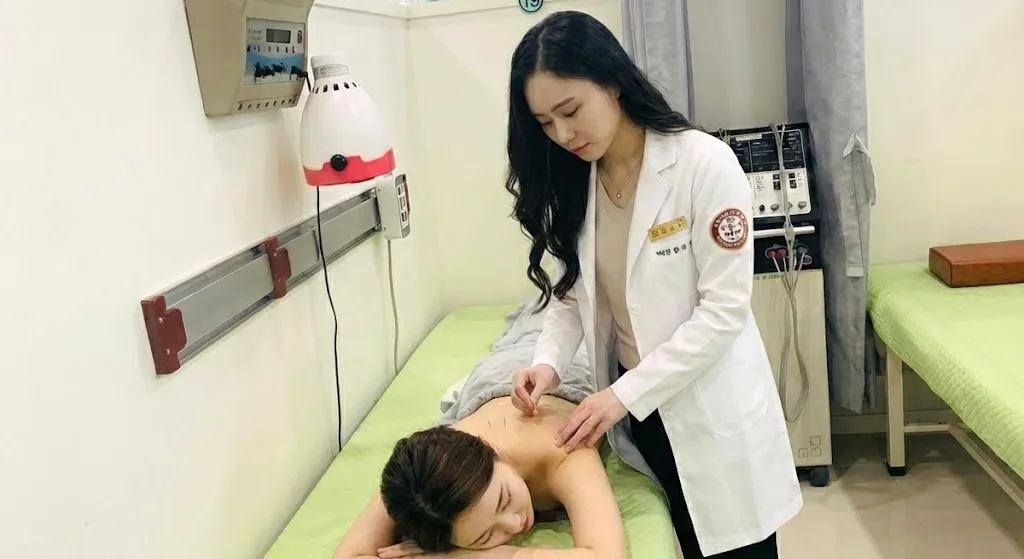
Acupuncture & Electroacupuncture
The core management tool for dialysis side effects. Acupoints are selected based on individual symptoms to address muscle cramps, pruritus, restless legs, pain, and depression comprehensively.
- Muscle cramps
- Pruritus
- Restless legs
- Fatigue & depression
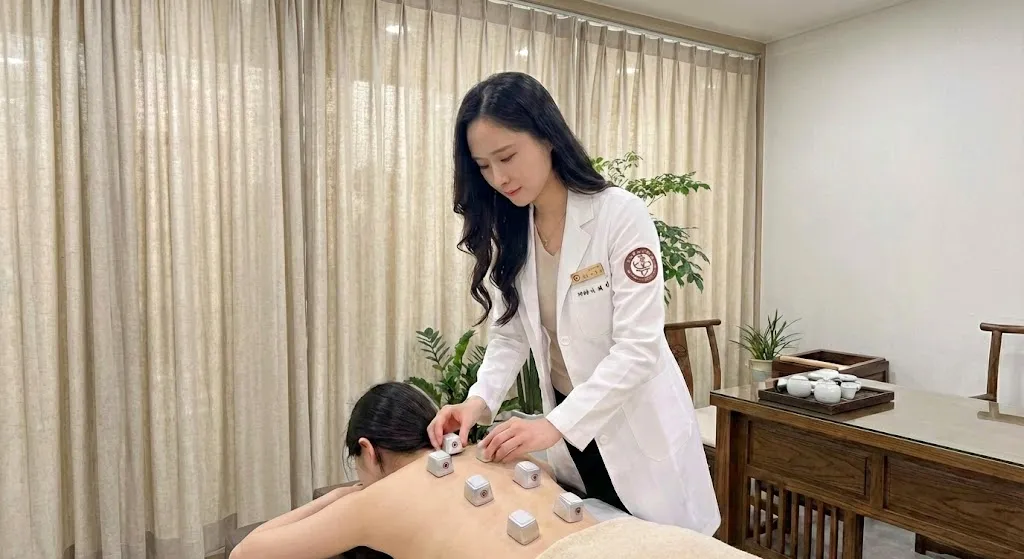
Pharmacopuncture
Purified Korean medicine components are injected into acupoints, providing both acupuncture stimulation and pharmacological effects. Used for peripheral circulation disorders and localized pain.
- Peripheral circulation
- Local pain
- Immune support

Korean Medicine Prescriptions
Used for overall health management of dialysis patients. Prescribed carefully considering drug interactions and renal excretion burden.
- Overall health
- Fluid metabolism
- Immune regulation
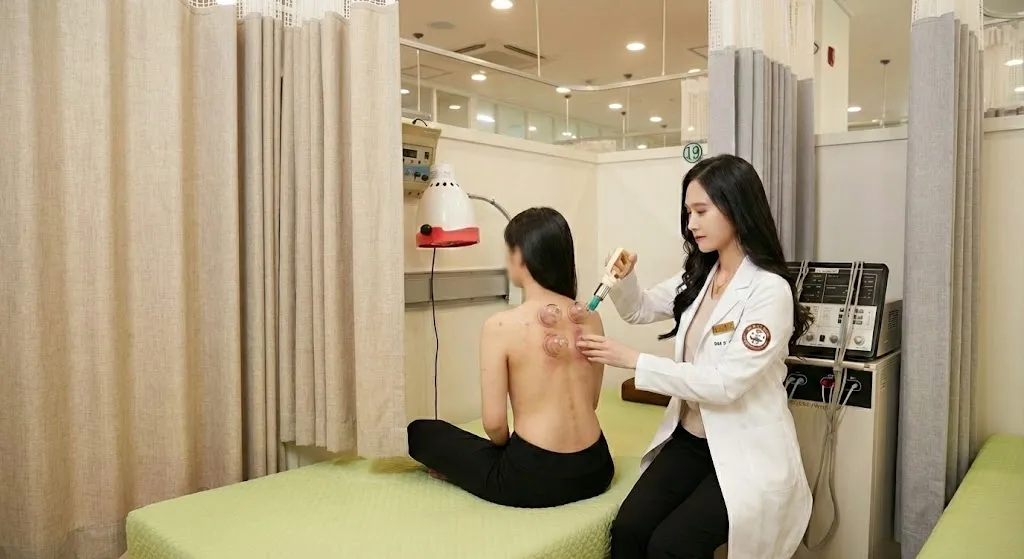
Cupping & Moxibustion
Used for localized muscle tension, circulation disorders, and cold sensations caused by dialysis. Effective for back/lumbar muscle relaxation and kidney yang reinforcement.
- Muscle relaxation
- Circulation
- Cold relief

Herbal Acupoint Therapy
A non-invasive method of applying herbal powder to acupoints. Can be applied during dialysis for blood pressure stabilization and fatigue recovery.
- BP stabilization
- Fatigue recovery
- Non-invasive
5-Step Integrative Care for Dialysis Patients
Our dialysis specialists and Korean medicine practitioners provide step-by-step personalized treatment.
1Step: Dialysis History & Overall Health Assessment
Comprehensive evaluation of dialysis start date, frequency, arteriovenous fistula status, comorbidities (diabetes, hypertension, cardiovascular disease), current medications, and major side effect symptoms.
- Dialysis history
- Comorbidities
- Medications
2Step: Korean Medicine Pattern Differentiation
Evaluating the patient's overall condition through Korean medicine assessment. Setting individual treatment directions through pattern differentiation including kidney yang/yin deficiency, qi-blood deficiency, and blood stasis.
- Yang/Yin deficiency
- Qi-blood deficiency
- Pattern setting
3Step: Priority-Based Treatment Planning
Managing the most distressing symptoms first. Designing Korean medicine treatment plans for each symptom — cramps, pruritus, insomnia, fatigue, numbness — aligned with the dialysis schedule.
- Dialysis day care
- Non-dialysis day care
- Symptom priority
4Step: Collaborative Integrative Treatment
The dialysis nursing team and Korean medicine practitioners share patient status in real-time, simultaneously managing dialysis safety and side effect treatment.
- Real-time monitoring
- Emergency response
- Clinic collaboration
5Step: Regular Evaluation & Long-term Management
Monthly evaluation of symptom changes, blood test results, and quality of life indicators with treatment plan adjustments. Continuing long-term management of physical strength, immunity, and emotional health.
- Monthly evaluation
- Blood tests
- Quality of life
Why Chaeeum Dialysis Research Center Is Different
Only Hospital-Level Dialysis Unit in Cheongju Ochang
By performing dialysis at a hospital-level facility rather than a clinic, we provide emergency response infrastructure and multidisciplinary collaboration advantages. Our specialized nursing team delivers meticulous monitoring.
- Emergency response
- Multidisciplinary care
- Specialized nurses
Integrative Medicine System
Side effects difficult to manage at regular dialysis units — muscle cramps, pruritus, fatigue, depression, peripheral circulation disorders — can be immediately addressed through Korean medicine within the same institution.
- Immediate management
- Same institution
- Integrative care
Research & Development Organization
Operating as a dedicated R&D organization, Chaeeum Dialysis Research Center applies the latest domestic and international research evidence to clinical practice and continuously improves patient management protocols.
- Latest research
- Protocol improvement
- Evidence-based
2024-2025 Latest Research-Based Treatment
Providing evidence-based integrative Korean medicine reflecting the latest 2024-2025 RCTs, meta-analyses, and network meta-analyses on acupuncture for dialysis patients.
- Latest RCTs
- Meta-analyses
- Evidence-based KM
Frequently Asked Questions
Uremic pruritus is experienced by approximately 84% of dialysis patients. A 2022 systematic review reported a 1.42x improvement rate (p=0.0002) for pruritus when acupuncture was combined with dialysis compared to dialysis alone. A 2024 network meta-analysis also confirmed the efficacy of acupoint stimulation therapy. Additionally, analysis of 50 RCTs (3,311 patients) showed that Korean medicine adjunct improved overall efficacy by 1.29x and significantly reduced inflammatory markers (CRP, IL-6).
A 2025 multi-center randomized controlled trial (64 patients) reported that 12 weeks of acupuncture treatment significantly reduced depression scores (HAMD) in dialysis patients and improved quality of life. Improvement trends in nutritional indicators such as serum albumin were also observed. Acupuncture is gaining attention as a complementary method for managing depression and fatigue without medication side effects.
Acupuncture treatment effects have been reported for restless legs syndrome (RLS), which is particularly prevalent among dialysis patients. A 2021 meta-analysis (18 studies) showed a 47.8% cure rate in the acupuncture group, and a 2024 RCT also demonstrated significant improvement in RLS symptoms (IRLSRS scores) and insomnia indicators in dialysis patients. Electroacupuncture stimulation of lower limb acupoints is known to be effective.
Online Consultation
Feel free to leave your questions. We will get back to you promptly.