
Stress & ADHD Center
Stress and ADHD,A Comprehensive Approach to Treatment
Korean Medicine + Neuroscience + Psychology: Treatment Synergy
What Sets Chaeeum Apart
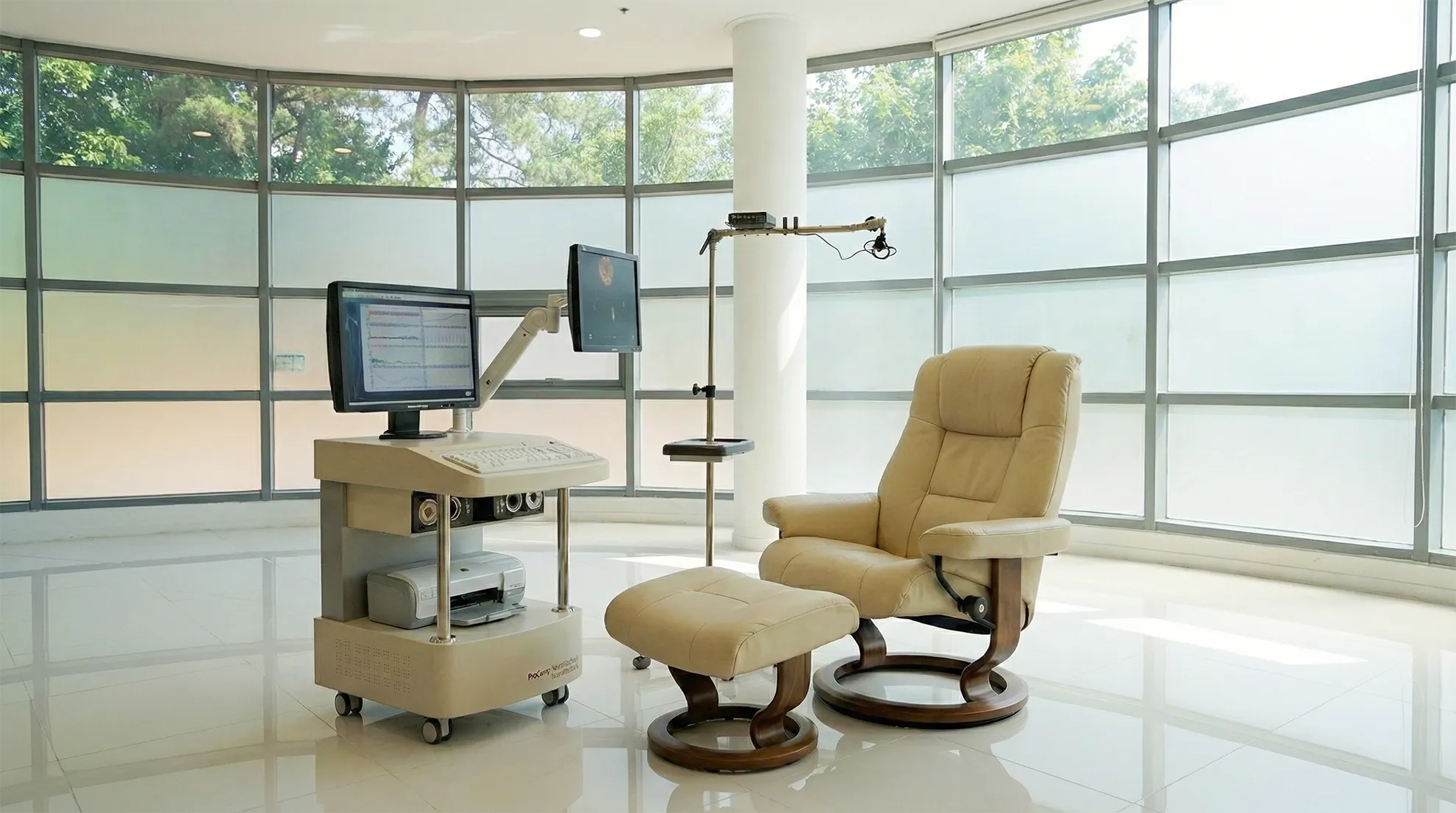
QEEG brain mapping system and ProComp system for precise diagnosis through neuro- and biofeedback treatment in one place
Objectively evaluating brain function with professional 21-channel quantitative EEG and designing personalized data-driven treatment plans
Feedback training combined with Korean medicine, acupuncture, pharmacopuncture, chuna, and physical therapy for mind-body recovery
Optimal training combination from 9+ neurofeedback programs based on EEG assessment results
Quantitative verification of pre- and post-training changes through impedance measurements and trend reports
Building self-regulation abilities for long-term management without medication or external intervention
QEEG Quantitative EEG Diagnosis
The Starting Point for Diagnosis → Korean Medicine Treatment + Training
Professional 21-Channel Quantitative EEG Analysis System
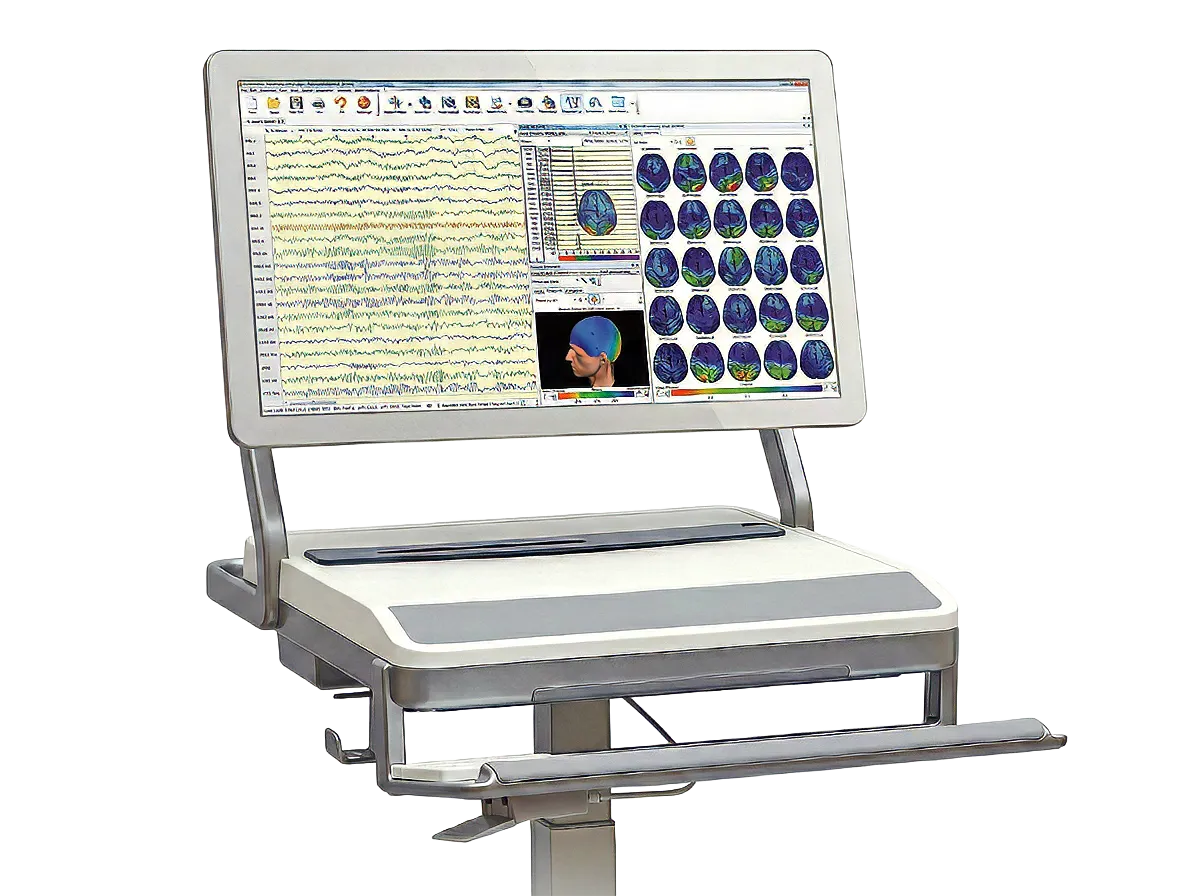
Chaeeum Korean Medicine Hospital uses a professional 21-channel quantitative EEG analysis system — the same caliber found in university hospitals and research institutions — to precisely measure and analyze activation patterns across the entire brain. This is fundamentally different in precision and analytical scope from simple portable EEG devices (2–4 channels).
QEEG (Quantitative Electroencephalography) measures the electrical signals generated by the brain through electrodes placed on the scalp, quantifying and scientifically analyzing the brain's functional state.
While imaging tests like MRI and CT identify structural abnormalities in the brain, QEEG evaluates how the brain is functioning in real time — assessing the brain's functional state. It quantitatively visualizes the activity levels of each brain region, left-right brain balance, and frequency band ratios, making it particularly useful for patients whose symptoms persist despite 'normal' results on conventional imaging tests.
Quantitative EEG is used to study the electroencephalographic characteristics of psychiatric conditions such as addiction, depression, ADHD, and anxiety disorders, or for diagnosis and evaluation. Recently, its use as an indicator for therapeutic procedures such as neurofeedback has drawn significant attention.
— Journal of Korean Neuropsychiatric Association
Why is QEEG necessary?
The reason Chaeeum Korean Medicine Hospital adopted QEEG diagnosis is clear: it is the starting point for both Korean medicine treatment and biofeedback/neurofeedback training. By precisely understanding a patient's brainwave state through QEEG, we can scientifically determine which Korean medicine prescriptions and acupuncture treatments to apply, and which biofeedback/neurofeedback training to apply to which areas.
Quantitatively measures whole-brain activation patterns using 21-channel electrodes
Compares against age- and gender-matched normative brainwave databases to identify deviations
Determines Korean medicine treatment direction and feedback training protocols based on QEEG results
Objectively confirms brainwave changes by comparing pre- and post-treatment QEEG results
Combines brainwave findings with Korean medical pattern diagnosis to establish integrated treatment plans
QEEG Can Help in These Cases
QEEG Finding | Theta/beta ratio abnormalities, frontal lobe hypoactivation
QEEG Finding | Beta wave hyperactivation, left-right brain imbalance, autonomic hyperarousal patterns
QEEG Finding | Pre-sleep brainwave pattern abnormalities, persistent hyperarousal state
QEEG Finding | Frontal-temporal activation patterns, beta hyperactivation
QEEG Finding | Frontal alpha asymmetry (left hypoactivation)
QEEG Finding | Deviation in cognition-related brainwave indicators
QEEG Finding | Functional abnormalities in pain-related brain regions
QEEG Finding | Motor cortex beta hyperactivation pattern
QEEG Finding | Age-comparative brainwave pattern analysis, early functional decline detection
Connecting QEEG with Korean Medicine & Feedback Training
QEEG is for diagnosis, Korean medicine is for treatment, and biofeedback/neurofeedback is for training. At Chaeeum Korean Medicine Hospital, these three are organically connected within a single treatment flow.
For example, an ADHD patient whose QEEG shows elevated frontal theta/beta ratio would receive theta/beta ratio neurofeedback training alongside Korean medicine prescriptions based on Korean medical pattern diagnosis. A patient with confirmed left-right frontal alpha asymmetry and depression would receive left frontal activation training combined with HRV biofeedback, while simultaneously receiving Korean medicine and acupuncture treatment matched to their pattern diagnosis.
Bio & Neurofeedback
ProComp system-based biofeedback and neurofeedback training to develop the ability to self-regulate your autonomic nervous system and brainwaves.
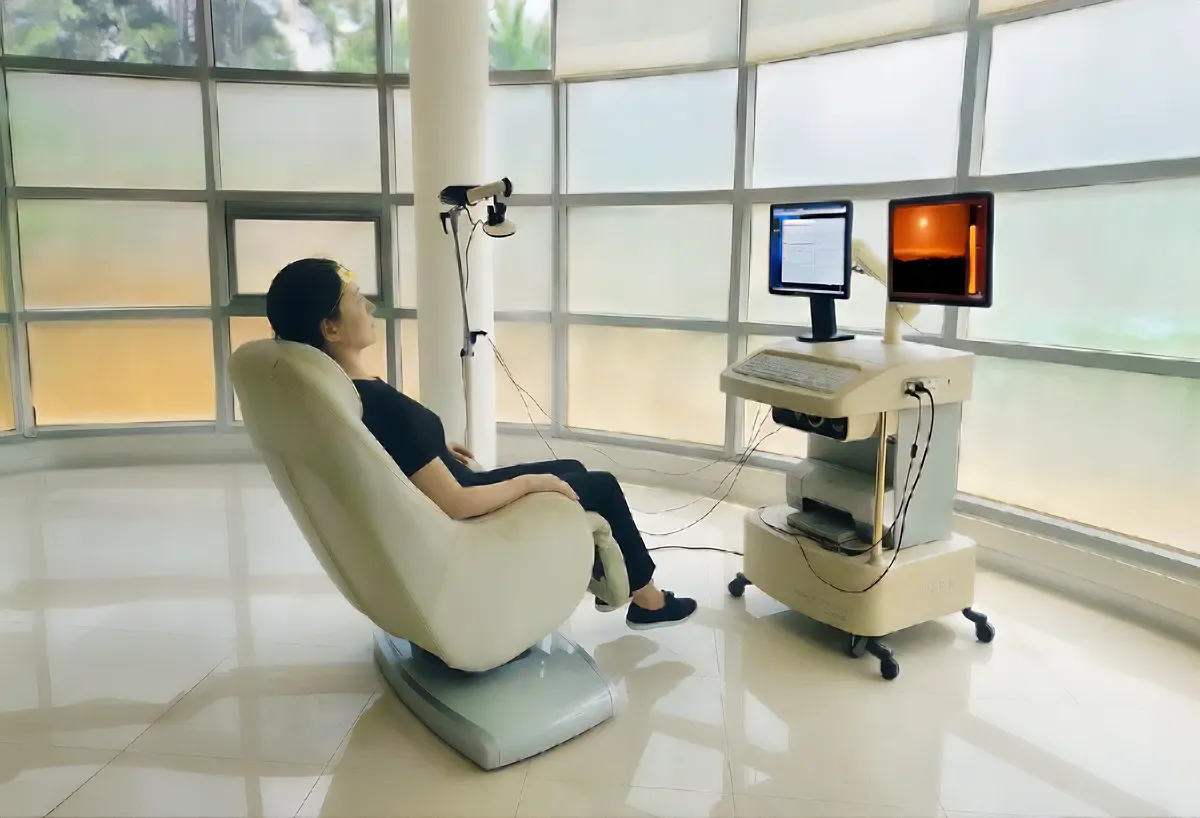
Biofeedback uses sensors to measure physiological signals — EMG, heart rate, respiration, and skin temperature — in real time, while you learn to regulate your autonomic nervous system by monitoring your own data on screen.
Chronic stress keeps the sympathetic nervous system in a persistent state of overactivation, leading to elevated heart rate, muscle tension, digestive problems, and other physical symptoms. Biofeedback lets you see this hyperarousal in real-time data, then teaches you to consciously activate the parasympathetic nervous system (relaxation response) through respiration control and HRV training, restoring autonomic balance. Because it corrects the root cause of stress responses — autonomic imbalance itself — it fundamentally improves related symptoms such as insomnia and autonomic dysregulation.
Versatile training with EMG, skin conductance, skin temperature, pulse, ECG, and respiration sensors. It is the only system capable of performing neurofeedback and biofeedback simultaneously.
Training Programs
Measuring muscle tension levels with SEMG sensors and inducing relaxation
Visualizing breathing patterns to establish stable respiratory rhythms
Autonomic relaxation training through peripheral blood flow changes
Measuring sweat gland activity to recognize and regulate stress responses
Autonomic nervous system balance training through heart rate variability
Synchronization training of respiration and heartbeat, activating the parasympathetic nervous system
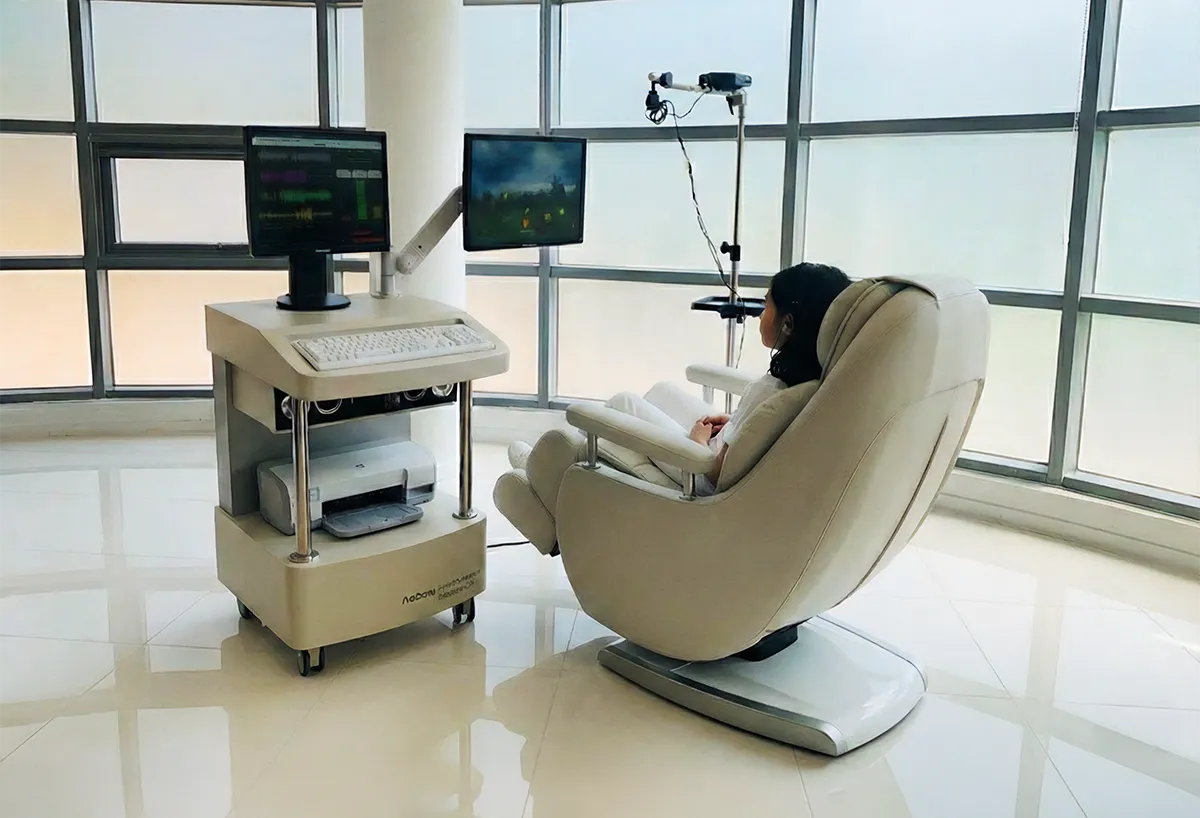
Neurofeedback uses EEG sensors placed on the scalp to measure brainwaves in real time, training the brain to self-regulate through on-screen visual and auditory feedback. Sessions follow personalized protocols based on QEEG results, targeting theta/beta ratio correction for ADHD, improved concentration, and left-right brain balance.
Neurofeedback is a medication-free training that harnesses the brain's own ability to change. Through repeated sessions, neuroplasticity is activated, allowing improved brainwave patterns to persist even after training ends. Recognized by the American Academy of Pediatrics (AAP) as a Level 1 evidence-based treatment for ADHD, this non-invasive method simultaneously enhances concentration, self-regulation, and emotional stability without side effects.
Source: Biofeedback Certification International Alliance (BCIA)
Utilizing dual screens optimized for training with various tools including 3D training, 2D displays, movies, audio-visual, and animation.
Training Programs
Activation/inhibition regulation training for each brainwave frequency band
Training to balance left and right brain hemisphere activity
Deep relaxation state induction, used for anxiety and PTSD
Core ADHD training for concentration and arousal regulation
Improving coordination and connectivity between brain regions
Sensorimotor rhythm enhancement for sleep and concentration improvement
Optimal alpha wave frequency training for cognitive efficiency
Slow cortical potential regulation for self-regulation enhancement
Deviation correction against normative brainwave databases
Korean Medicine with Bio & Neurofeedback Training
Combining feedback training with Korean medicine treatments enables more effective autonomic stabilization and symptom recovery.
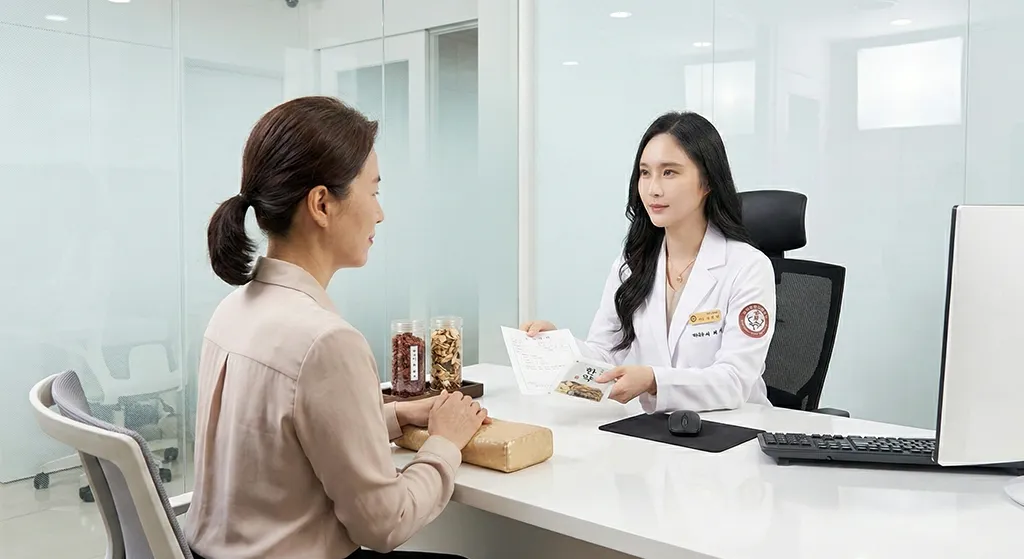
Korean Medicine (Decoction)
Customized Korean medicine prescriptions based on symptoms and constitution to stabilize the autonomic nervous system and treat various symptoms.
- Autonomic stabilization
- Symptom management
- Constitution-based
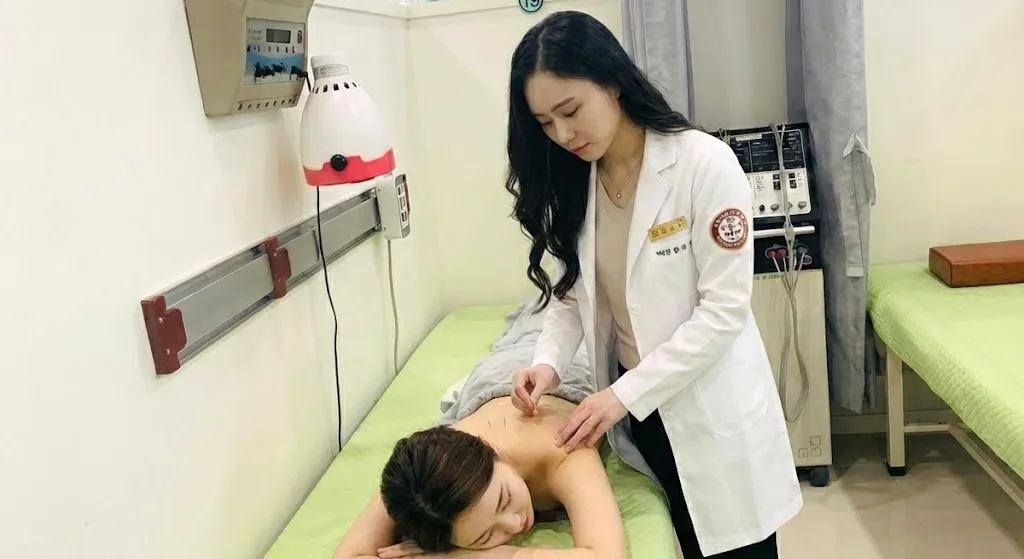
Acupuncture & Pharmacopuncture
Restoring autonomic balance through meridian point stimulation, improving muscle tension and circulation disorders caused by stress.
- Autonomic balance
- Tension relief
- Circulation improvement
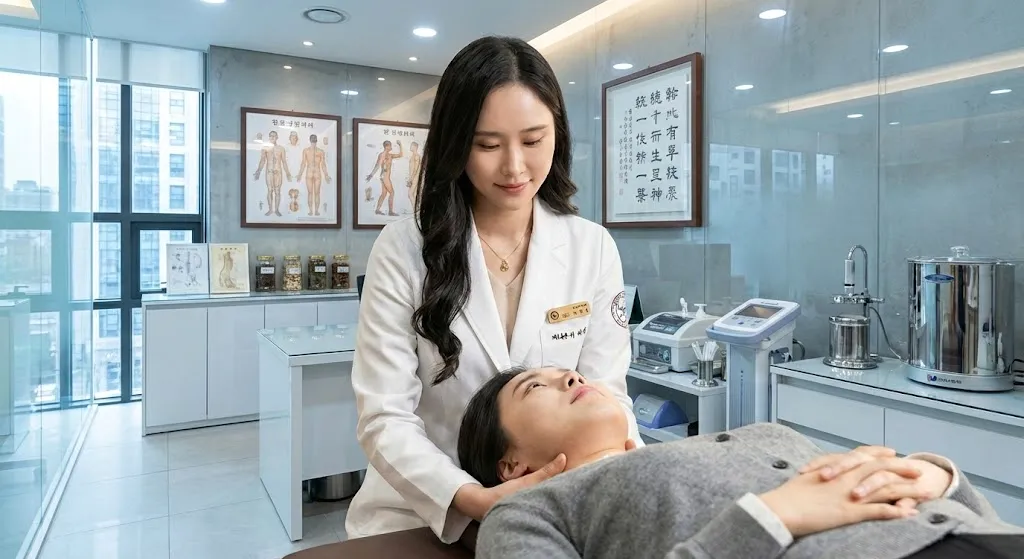
Chuna & Physical Therapy
Correcting cervical and thoracic spine alignment and combining physical therapy to normalize the spinal environment through which the autonomic nerves pass.
- Cervical-thoracic alignment
- Physical therapy
- Neural environment improvement
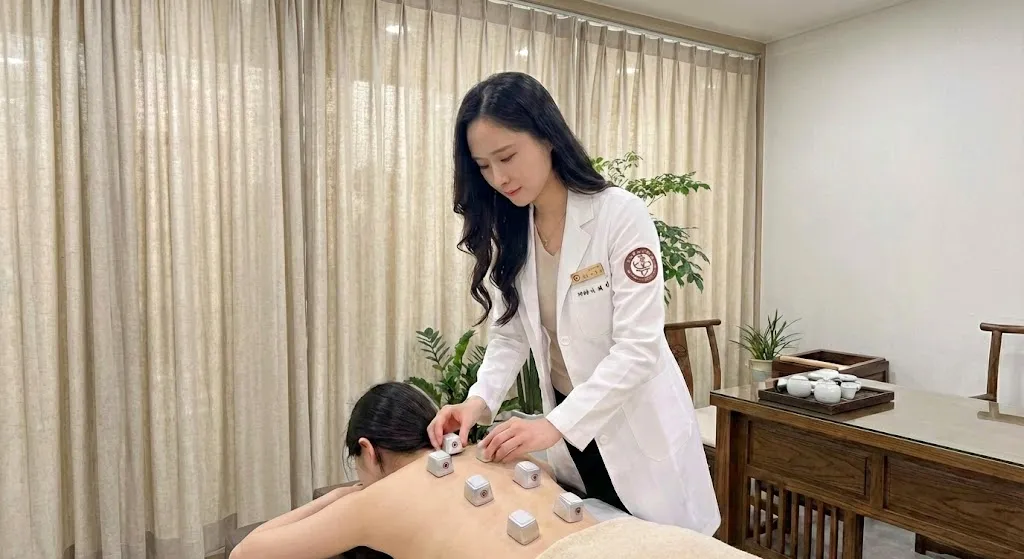
Moxibustion
Heat stimulation on acupuncture points stabilizes the autonomic nervous system, relieves cold sensitivity and tension, and promotes systemic circulation.
- Autonomic stabilization
- Cold relief
- Circulation promotion
Supplementary Korean Medicine (Pills)
Supplementary Korean medicines that support symptom management when taken alongside primary treatment.
Contains B vitamins and amino acids to support protein synthesis. Prevents symptoms such as hair loss caused by nutritional deficiency.
Effective for constipation, bloating, lower abdominal pain, and gas caused by reduced food intake from stress and autonomic dysregulation.
CNS depressant effects and blood pressure lowering properties help prevent and manage insomnia, forgetfulness, autonomic dysregulation, palpitations, and chest tightness.
Relieves chronic indigestion and bloating caused by stress.
6-Step Treatment Process
Starting with accurate assessment, we build self-regulation abilities through personalized training programs.
1Step: Initial Consultation
We conduct symptom consultation and autonomic nervous system testing.
- Symptom consultation
- Autonomic testing
2Step: QEEG Quantitative EEG Diagnosis
After 21-channel brainwave measurement, we compare against normative databases to precisely evaluate brain function.
- 21-channel EEG
- Normative comparison
- Precision assessment
3Step: Custom Training Plan
Based on QEEG results and Korean medical pattern diagnosis, we design neurofeedback/biofeedback training protocols and Korean medicine treatment plans.
- QEEG-based
- Korean medicine plan
- Custom protocol
4Step: Intensive Training & Korean Medicine
We manage symptoms through 2-3 weekly feedback sessions combined with acupuncture, Korean medicine, and other Korean medicine treatments.
- Feedback training
- Acupuncture & Korean medicine
- 2-3 times/week
5Step: Follow-up QEEG Re-examination
We objectively confirm brainwave changes through QEEG re-examination and adjust Korean medicine treatment and training protocols.
- QEEG re-exam
- Brainwave changes
- Protocol adjustment
6Step: Maintenance & Self-Management
We guide you in maintaining the self-regulation abilities acquired through training in daily life.
- Self-regulation maintenance
- Daily guidance
- Long-term management
Frequently Asked Questions
Biofeedback measures physical physiological signals such as EMG, heart rate, respiration, and skin temperature to train autonomic nervous system regulation. Neurofeedback directly measures brain waves (EEG) to regulate the electrical activity of the central nervous system. At Chaeeum Korean Medicine Hospital, we use the ProComp system that can perform both simultaneously.
It varies depending on symptoms and goals, but generally 2-3 sessions per week for a total of 20-40 sessions is recommended. After the initial assessment, we provide a personalized schedule, and track progress together through trend reports.
Yes, they can. Many children and adolescents visit us for ADHD, poor concentration, and learning efficiency issues. We use various training screens including 3D training, animation, and movies to help children stay engaged and participate in training without losing interest.
Feedback training is currently a non-covered (out-of-pocket) item under health insurance. However, Korean medicine treatments (acupuncture, Korean medicine, etc.) conducted alongside may be covered depending on the symptoms. For stress and sleep disorders resulting from traffic accident aftereffects, auto insurance coverage is available. We provide detailed guidance during your visit.
Online Consultation
Feel free to leave your questions. We will get back to you promptly.
The efficacy and effect information on this page is general content based on academic research results, and treatment effects may vary by individual.
All diagnoses and prescriptions are made through direct consultation with a Korean medicine doctor, and the content on this page does not replace medical diagnosis or treatment.