

Prenatal & Postnatal Korean Medicine & Pain Management
Mothers Need Special CareFor Recovery After Childbirth
Prenatal & Postnatal Korean Medicine
Pregnancy and childbirth bring significant changes to a woman's body. We help with healthy pregnancy and quick postpartum recovery through personalized prescriptions based on the mother's constitution and condition.
Physical Changes After Childbirth
Various changes occur in the mother's body after childbirth.

Hair Loss
Temporary hair loss occurs as hormones affect hair growth and weaken hair roots

Weight Changes
Weight gained during pregnancy gradually decreases after birth, but may lead to postpartum obesity if not managed

Uterine Contraction
The enlarged uterus shrinks to about egg size within 4 weeks after delivery

Lochia Discharge
Uterine discharge after placenta delivery, typically disappears within 4 weeks

Vision Changes
Hormonal effects may cause temporary vision decline, which gradually recovers
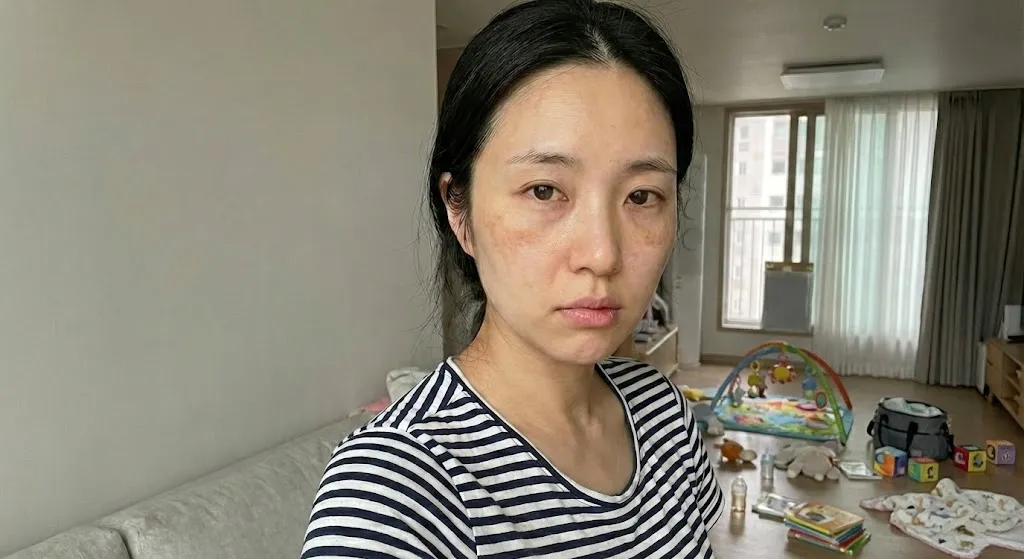
Skin Aging & Spots
Reduced skin elasticity, lack of moisture, and stress from childcare accelerate aging
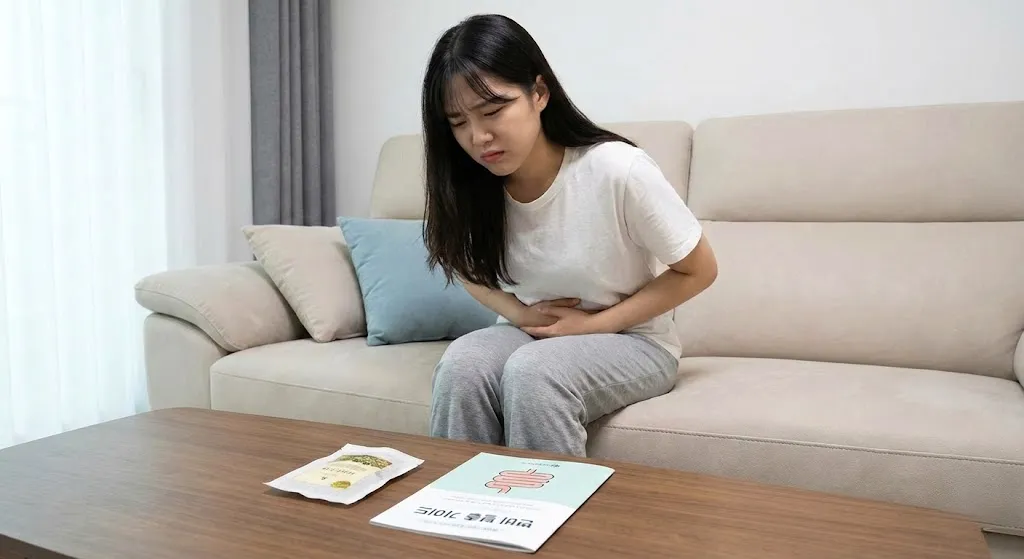
Constipation
Difficulty straining and reduced bowel activity after delivery make constipation common

Swelling
Edema remains throughout the body, often more severe in the legs
Health Concerns Mothers Face
Common symptoms mothers experience before and after childbirth.
- Morning Sickness Severe nausea and digestive issues in early pregnancy
- Back & Pelvic Pain Musculoskeletal discomfort from body changes
- Swelling & Numbness Edema from reduced blood circulation
- Sleep Disorders Uncomfortable positions and frequent bathroom visits
- Fatigue & Low Energy Energy depletion from fetal growth
- Postpartum Wind Joint pain and coldness sensitivity
- Postpartum Depression Hormonal changes and childcare stress
- Breastfeeding Issues Engorgement, insufficient milk supply
- Delayed Recovery Low stamina and slow recovery
- Weight Management Postpartum obesity and body changes
Korean Medicine Approach
Korean medicine views prenatal/postnatal health from the following perspectives.
Qi-Blood Replenishment
Replenishing Qi and Blood depleted during childbirth to build a foundation for recovery.
Blood Stasis Management
Helping smooth discharge of residual blood stasis after delivery.
Spleen-Stomach Harmony
Supporting digestive function for nutrient absorption and stamina recovery.
Kidney Strengthening
Strengthening kidney essence for foundational back and joint health.
Constitutional Approach
Same symptoms are managed differently based on individual constitution.
Prenatal & Postnatal Korean Medicine
We prescribe appropriate Korean medicine based on the mother's condition and stage.
Saenghwa-tang
A representative postpartum prescription that helps discharge blood stasis and supports uterine recovery.
- Promotes blood stasis discharge
- Supports uterine contraction
- Relieves postpartum pain
Boheo-tang
Replenishes Qi and Blood weakened after childbirth and supports physical recovery.
- Energy recovery
- Reduces swelling
- Promotes lactation
Modified Samul-tang
Improves blood deficiency symptoms and helps with anemia and dizziness.
- Promotes blood production
- Relieves dizziness
- Improves complexion
Constitutional Prescription
Prescriptions are adjusted based on individual constitution and symptoms for optimal results.
- Personalized prescription
- Minimized side effects
- Breastfeeding safety considered
All Korean medicines are safely prescribed considering breastfeeding status.
Postpartum Pain Treatment
We manage various maternal pain including postpartum wind and joint pain with Korean medicine treatments.
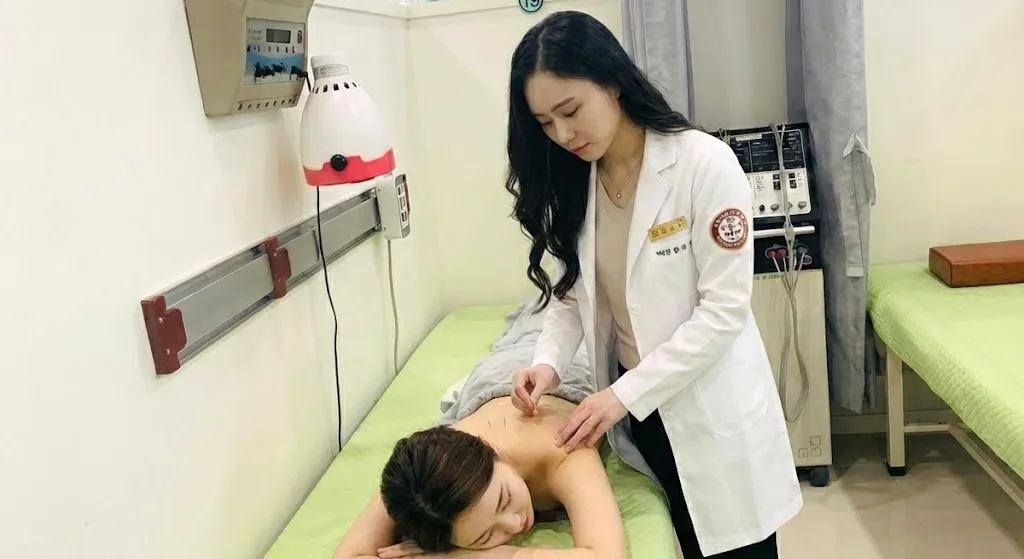
Acupuncture
Stimulates meridian points to promote muscle relaxation, pain relief, and anti-inflammatory effects.
- Wrist & ankle joint pain
- Lower back & pelvic pain
- Headache & shoulder tension
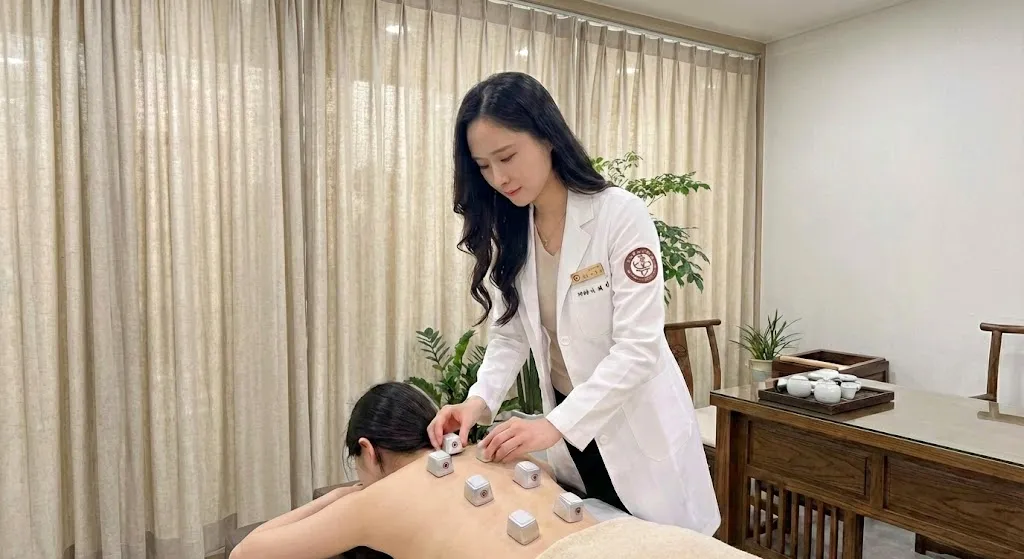
Moxibustion
Thermal stimulation improves cold constitution and promotes blood circulation.
- Cold hands & feet
- Abdominal coldness
- General fatigue
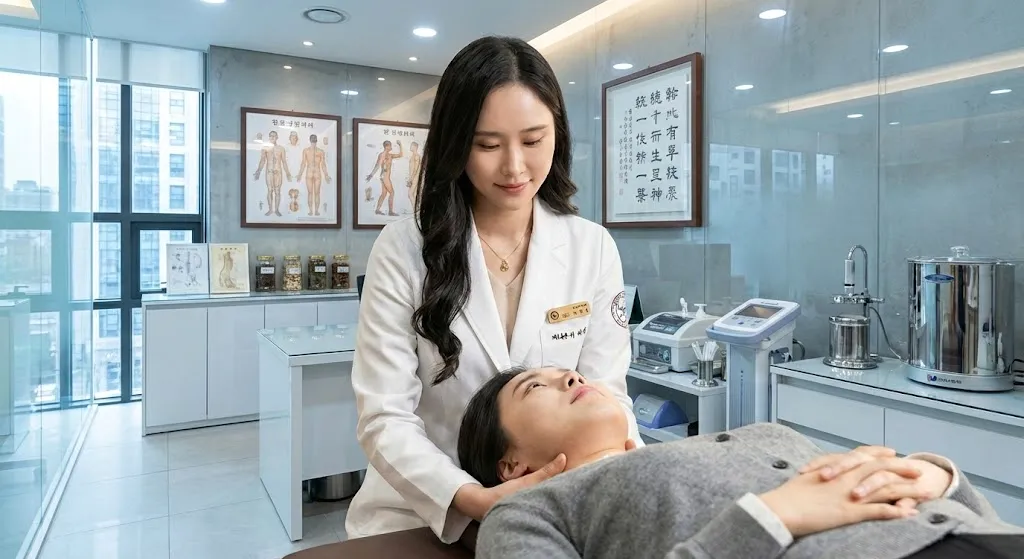
Chuna & Physical Therapy
Corrects misaligned spine and pelvis combined with physical therapy to help postpartum body recovery.
- Pelvic misalignment
- Spinal imbalance
- Muscle tension
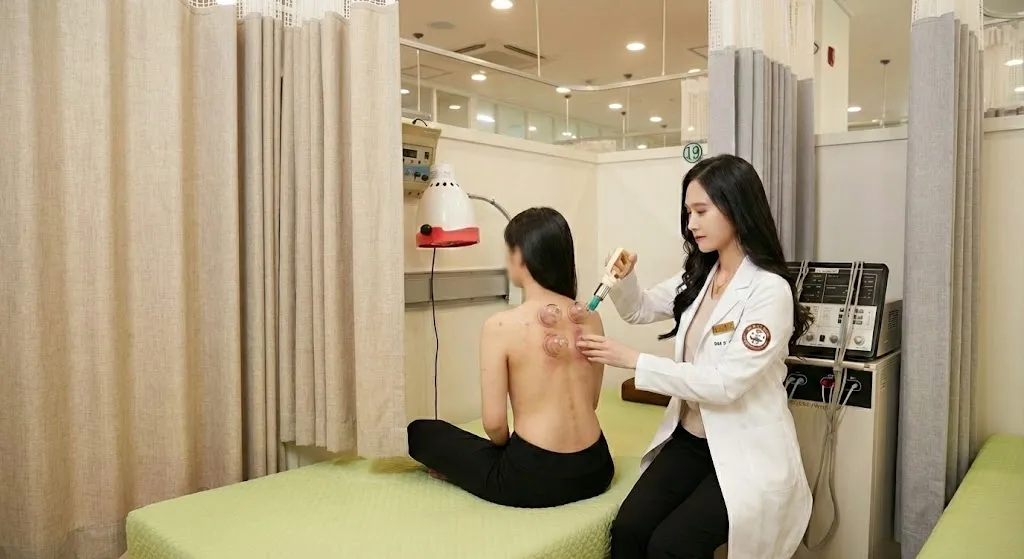
Cupping Therapy
Negative pressure therapy to remove blood stasis while promoting postpartum blood circulation.
- Postpartum swelling
- Muscle tension
- Circulation boost

Pharmacopuncture
Injects Korean medicine extracts into meridian points for rapid pain relief.
- Acute pain
- Inflammation relief
- Targeted local treatment
Treatment Process
We provide customized health management for mothers through a systematic process.
1Step: Interview
We listen carefully to the mother's current condition and delivery process.
- Delivery method (natural/C-section)
- Current symptoms
- Breastfeeding status
- Sleep condition
- Medical history
2Step: Examination
Comprehensive assessment using traditional Korean medicine diagnostic methods.
- Pulse diagnosis
- Tongue diagnosis
- Abdominal diagnosis
- Facial observation
3Step: Consultation
Based on examination results, we explain the current condition and care plan.
- Health status explanation
- Care direction discussion
- Lifestyle advice
4Step: Korean Medicine Prescription
Personalized Korean medicine based on individual constitution and condition.
- Pre/postnatal stage-specific prescription
- Breastfeeding consideration
- Dosage instructions
5Step: Follow-up
Monitor changes after taking medicine and adjust prescription if needed.
- Recovery monitoring
- Prescription adjustment
- Additional consultation
Postnatal Life Management Tips
Management tips you can practice daily along with Korean medicine.
Postpartum Exercise
- Start with light stretching in early postpartum
- Kegel exercises for pelvic floor recovery
- Breathing exercises for abdominal recovery
- Practice consistently without overexertion
Diet Management
- Eat warm, easily digestible foods
- Get enough protein
- Avoid cold and spicy foods
- Stay well hydrated
Rest & Sleep
- Take breaks whenever possible
- Rest when the baby sleeps
- Avoid strenuous housework
- Actively seek help from others
Emotional Care
- Postpartum blues are natural
- Communicate emotions with family
- Seek professional help if needed
- Don't try to handle everything alone
Frequently Asked Questions
For natural delivery, you can start 1-2 weeks after birth. For C-section, 2-3 weeks after. Timing may vary by individual condition, so please consult for proper guidance.
Yes, it's safe during breastfeeding. Please inform us of your nursing status so we can prescribe accordingly.
There are safe prescriptions based on pregnancy stage and the mother's condition. You can receive prescriptions for symptoms like morning sickness, fatigue, and swelling after consultation.
Yes, you can take it at postpartum care centers. Delivery service is also available, so please mention this during consultation.
Generally prescribed in 2-week to 1-month periods, adjusted based on recovery progress. We recommend management within 6 months postpartum.
Online Consultation
Feel free to leave your questions. We will get back to you promptly.