
Traffic Accident Aftereffects Treatment
Traffic Accident Aftereffects:Don't Let Them Become Chronic
Why Is Early Treatment So Important?
Right after an accident, adrenaline and tension can mask pain, making injuries seem minor. However, the impact often leaves deep damage to the musculoskeletal system—neck, back, and joints. Left untreated, this can lead to chronic pain, sleep disorders, and functional decline. Many functional pain conditions don't show up on MRI or imaging tests, so rest alone is not enough.
These Symptoms May Be Traffic Accident Aftereffects
Symptoms can appear days or even weeks after the accident. If you experience any of the following, we recommend seeking treatment promptly.

Neck & Cervical Pain
Whiplash injury from sudden forward-backward motion during impact. May include neck stiffness, difficulty turning the head, headaches, and arm numbness.

Lower Back & Lumbar Pain
Pain caused by impact transmitted through the spine to the lumbar region. Ranges from acute low back pain to disc herniation and stenosis.

Shoulder Joint Pain
Shoulder damage from seatbelt impact or bracing posture. May involve circulation-related shoulder pain and digestive discomfort.

Systemic Joint Pain
Impact spreads throughout the body causing simultaneous pain in multiple joints and muscles. Blood stasis and poor circulation are primary causes.

Headache & Post-Concussion Syndrome
Persistent headaches and dizziness after head impact. May include sleep disorders, short-term memory loss, and reduced concentration.

Knee & Lower Extremity Pain
Caused by knees hitting the dashboard or ankle twisting during collision. Includes knee swelling, leg cramps, and ankle sprains.
Aftereffects Appear on a Delayed Timeline
"I felt fine right after the accident…" This is the most common thing we hear from traffic accident patients.
Day of Accident
Adrenaline masks pain perception. Only mild discomfort is noticed.
1–3 Days Later
Neck and back stiffness begins. Headaches start. Difficulty getting up in the morning.
1–2 Weeks Later
Joint pain worsens. Complex symptoms emerge: sleep disorders, poor concentration.
1 Month & Beyond
Without treatment, pain becomes chronic and deeply entrenched, making recovery difficult.
Customized Korean Medicine Prescriptions by Symptom
We prescribe personalized Korean medicine based on the pain location, body constitution, and root cause. Our treatments dissolve blood stasis, restore qi-blood circulation, and strengthen the musculoskeletal system.
Neck & Cervical Pain
Cervical Spine PainFor chills, fever, headache with stiffness from the back of the neck to the upper back
For stiff neck upon waking, difficulty turning the head
Shoulder Joint Pain
Shoulder Joint PainFor shoulder pain caused by cold, dampness, and blood stasis with poor circulation
For shoulder pain accompanied by digestive disorders, shoulder inflammation, and nausea
Lower Back & Lumbar Pain
Lumbar Spine PainFor back pain and sciatica in those with cold constitution and weak digestion
For lower back and leg pain from weakened musculoskeletal system
Systemic Joint Pain
Systemic Joint PainFor headache, joint pain, muscle aches, and elbow/knee pain accompanying cold symptoms
For pain in various body parts caused by blood stasis from trauma, falls, or traffic accidents
Knee Joint Pain
Knee Joint PainFor acute inflammatory knee pain with swelling and heat
For weak qi-blood with thin legs, lack of strength, stiff and swollen joints with pain
Lower Extremity Pain
Lower Extremity PainFor leg cramps during sleep, muscle tension and spasms in the limbs
For severe swelling and pain immediately after ankle sprain
Chaeeum's Integrated Treatment Program
We combine Korean medicine with various Korean medicine treatments for comprehensive pain relief and fundamental recovery.

Korean Medicine
Customized Korean medicine prescriptions tailored to symptoms and constitution for blood stasis removal and qi-blood circulation recovery
- Blood stasis removal
- Qi-blood recovery
- Constitution-based
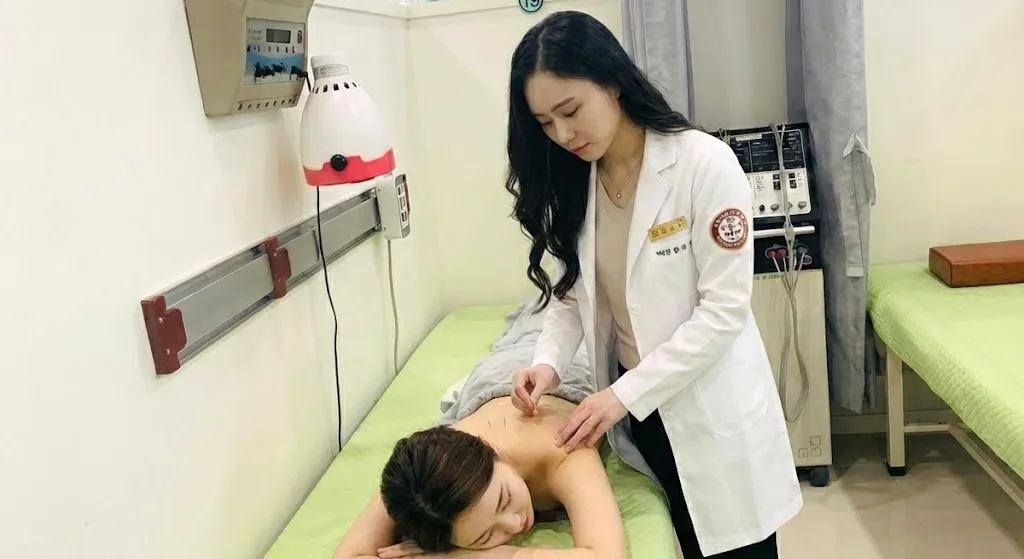
Acupuncture
Meridian point stimulation to normalize blood flow in pain areas and relax muscles
- Pain relief
- Anti-inflammatory
- Muscle relaxation

Pharmacopuncture
Injection of herbal extracts into meridian points for fast anti-inflammatory and analgesic effects
- Acute pain
- Anti-inflammatory
- Pain relief
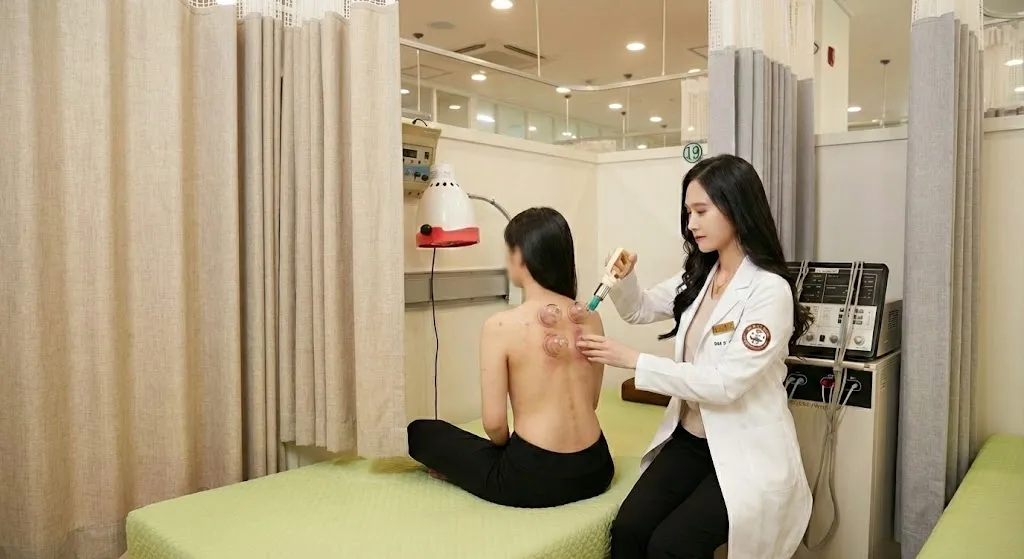
Cupping Therapy
Negative pressure therapy to remove blood stasis while promoting blood circulation
- Stasis removal
- Pain relief
- Circulation boost

Chuna & Physical Therapy
Correcting misaligned spine and joints while promoting soft tissue recovery
- Spinal correction
- Joint alignment
- Tissue recovery
All treatments can be covered by auto insurance with zero patient copay.
Traffic Accident Treatment Process
From the moment of your accident to full recovery, we guide you through a systematic treatment process.
1Step: Visit & Registration
Simply provide your accident details and insurance information. We'll assist you from registration onward.
- Accident filing
- Insurance processing
- Easy registration
2Step: Detailed Diagnosis
Comprehensive analysis combining traditional Korean medicine pulse diagnosis and consultation with accident-specific symptom assessment.
- Pulse diagnosis
- Consultation
- Symptom analysis
3Step: Personalized Treatment Plan
We develop an individualized treatment plan combining Korean medicine, acupuncture, and pharmacopuncture based on pain location, intensity, and constitution.
- Korean medicine
- Acupuncture
- Pharmacopuncture
- Custom plan
4Step: Intensive Treatment & Recovery
After intensive treatment, we monitor progress, adjust treatment intensity, and manage your care until full recovery.
- Progress monitoring
- Treatment adjustment
- Recovery management
Get Treatment with Zero Copay Through Auto Insurance
Traffic accident patients are entitled to receive Korean medicine hospital treatment with zero out-of-pocket costs under auto insurance (Automobile Compensation Act).
Inpatient Intensive Care Available
For patients who need rapid recovery after an accident, we offer intensive inpatient care. During your stay, you'll receive daily treatments including acupuncture, pharmacopuncture, Korean medicine, and IV therapy—all covered by auto insurance with zero copay.
Treatment Support Guide
- Full insurance coverage for Korean medicine treatments (acupuncture, pharmacopuncture, Korean medicine, cupping, etc.)
- Intensive inpatient care available for those who need rapid recovery
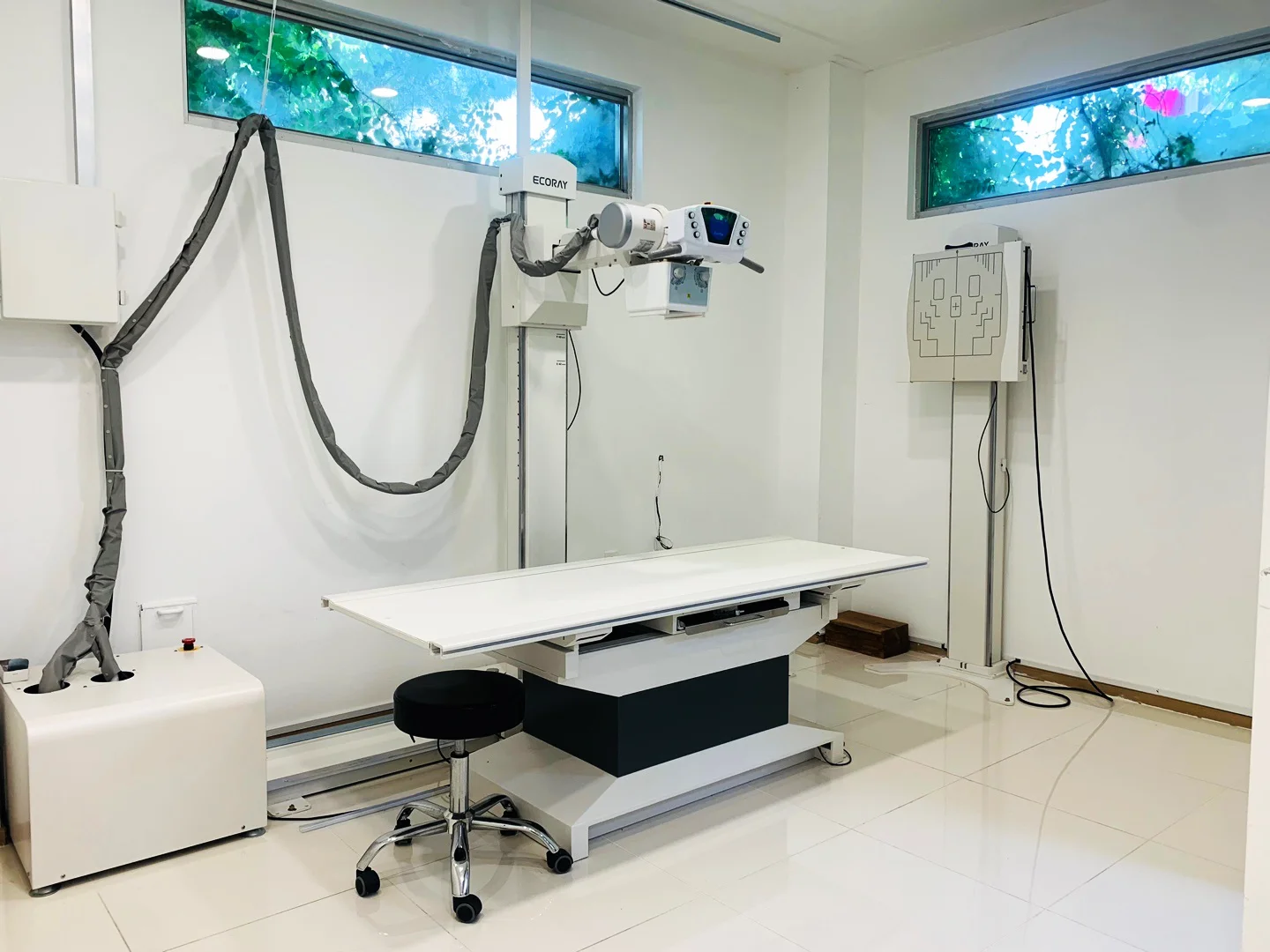
- On-site X-ray equipment for rapid initial diagnosis including fractures
- MRI and CT scans available through our partnered radiology center
- Western treatments such as painkillers and IV therapy available alongside Korean medicine
- Chuna and physical therapy covered by national health insurance for affordable rehabilitation
- Medical certificates, reports, and insurance documentation support
What to Bring for Your Visit
Name and phone number of the at-fault driver's insurance company and adjuster
The accident claim number issued by the insurance company
Government-issued identification for identity verification
Diagnosis reports, imaging results, etc. from other hospitals
Frequently Asked Questions
Yes, absolutely. Traffic accident aftereffects often appear days or even weeks after the accident. If you're experiencing symptoms, it's beneficial to start treatment even if some time has passed. However, earlier treatment leads to better outcomes, so please visit as soon as you notice symptoms.
Functional pain that doesn't appear on imaging tests is very common. Micro-damage to muscles, ligaments, and soft tissues, as well as qi-blood circulation disorders, are difficult to detect on MRI. Korean medicine diagnoses these functional issues through pulse examination and consultation, and can effectively treat them with acupuncture, pharmacopuncture, and Korean medicine.
Yes, it is. If you visit within 3 days of the accident, you can receive intensive inpatient care. During your hospital stay, you'll receive daily concentrated treatments including acupuncture, pharmacopuncture, Korean medicine, and IV therapy, which is highly effective for rapid recovery. Inpatient treatment is also fully covered by auto insurance with zero copay.
It varies depending on the severity of the accident and individual constitution. Mild cases typically require 4–8 weeks, while moderate to severe cases may need 3–6 months of treatment. The earlier you begin intensive treatment, the shorter your recovery period. Treatment plans are flexibly adjusted based on your progress.
Online Consultation
Feel free to leave your questions. We will get back to you promptly.
The efficacy and effect information on this page is general content based on academic research results, and treatment effects may vary by individual.
All diagnoses and prescriptions are made through direct consultation with a Korean medicine doctor, and the content on this page does not replace medical diagnosis or treatment.