
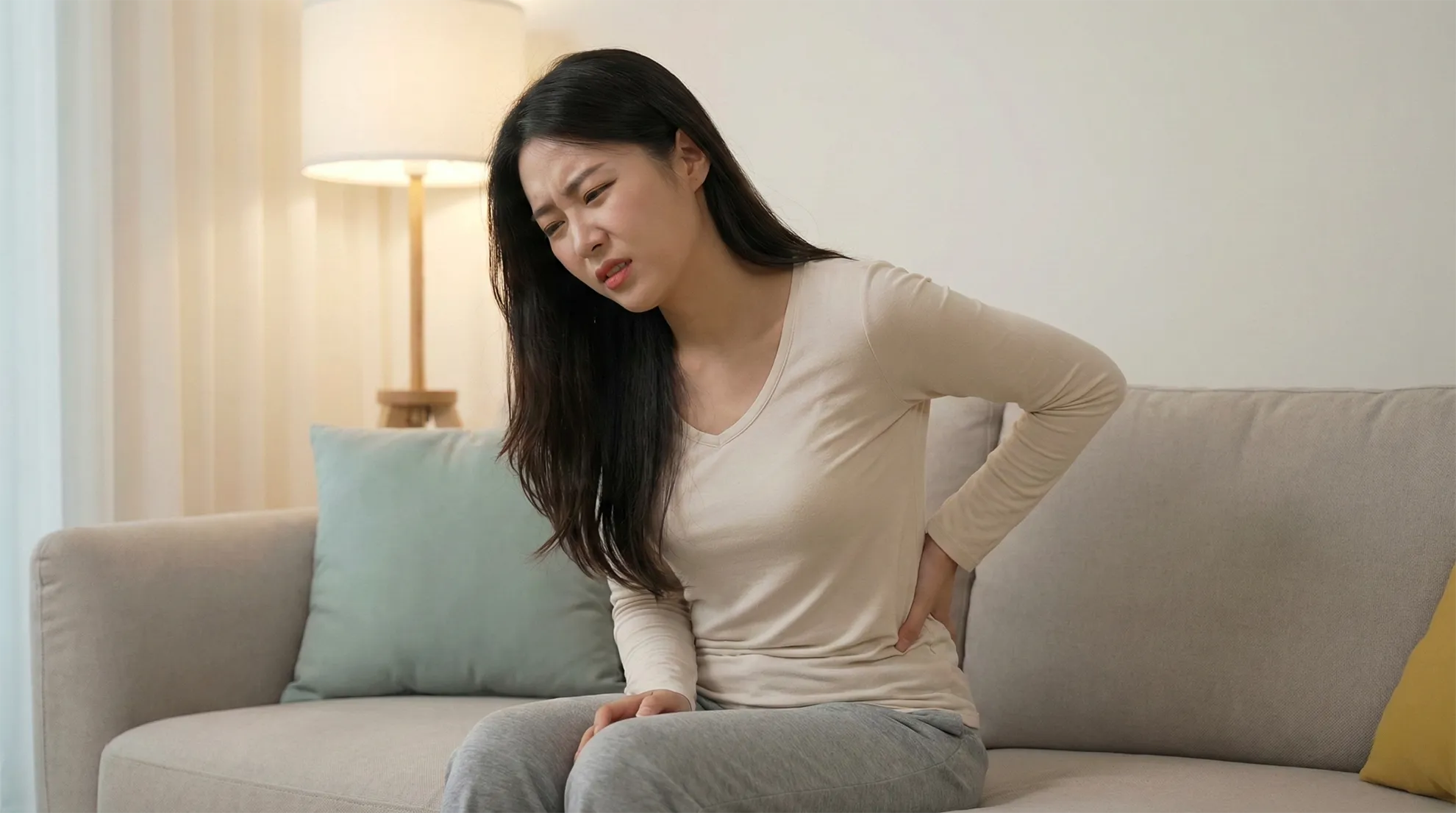
Spine & Joint Pain Treatment
Spine & Joint Pain:Treating the Root Cause for Lasting Relief
Why Do You Need Integrative Medical & Korean Medicine Treatment for Spine & Joint Pain?
The root causes of spine and joint pain go beyond simple structural issues—they include poor blood circulation, weakened muscles and ligaments, and constitutional deficiency. Beyond treating the pain site alone, three key mechanisms—improving blood circulation, relieving muscle tension, and regulating nerve response—must work together for fundamental recovery.
These Conditions Can Get Better at Chaeeum
If you experience any of the following, we recommend treatment.

Cervical Disc Herniation
A condition where cervical discs protrude and compress nerves. Accompanied by neck pain, shoulder and arm numbness, and headaches.

Lumbar Disc Herniation
Lumbar discs protrude and compress nerve roots. Causes lower back pain with leg numbness and walking difficulty.
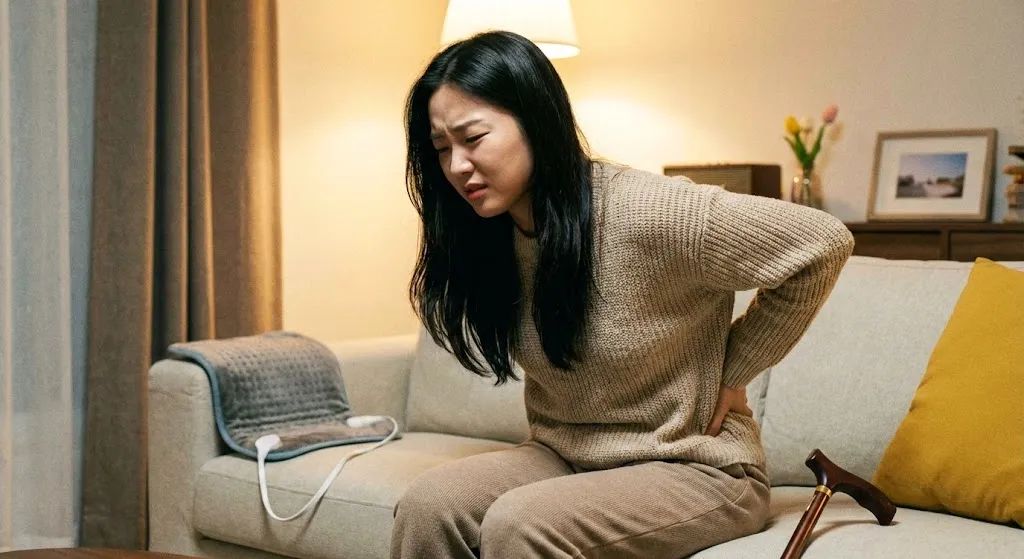
Spinal Stenosis
A degenerative condition where the spinal canal narrows and compresses nerves. Legs become numb during long walks but improve with rest.

Knee Osteoarthritis
Joint cartilage wears down causing inflammation and pain. Difficulty with stairs and standing up after prolonged sitting.

Shoulder Pain (Frozen Shoulder · Rotator Cuff)
Range of motion decreases and pain intensifies in the shoulder joint. Difficulty raising or rotating the arm.

Chronic Myofascial Pain Syndrome
Sustained muscle tension forms trigger points. Chronic pain and stiffness appear in the neck, shoulders, and lower back.
Three Key Treatment Mechanisms
Scientifically validated core principles of Korean medical treatment.
Blood Circulation Improvement
Acupuncture and pharmacopuncture increase local blood flow, delivering nutrients and oxygen to damaged tissues while flushing out inflammatory substances.
Muscle Tension Relief
Chuna therapy and moxibustion relax stiff muscles and ligaments, restoring range of motion in joints.
Neuroregulation
Acupuncture stimulation activates the brain's pain inhibition system, promoting endorphin and serotonin release while reducing pain perception.
Customized Korean Medicine Prescriptions for Spine & Joint Pain
We prescribe personalized Korean medicine based on pain location, body constitution, and root cause.
Dokhwal-gisaeng-tang
A classic prescription for back and joint pain from weakened musculoskeletal system. Nourishes liver and kidneys while dispelling wind-dampness.
- Back pain relief
- Joint strengthening
- Wind-dampness removal
- Musculoskeletal support
Ojeok-san
Effective for back pain and sciatica in those with cold constitution and weak digestion. Improves qi-blood and fluid metabolism.
- Cold-type back pain
- Sciatica
- Digestive improvement
- Fluid metabolism
Cheongyeol-saseup-tang
Used for acute inflammatory joint pain with swelling and heat in the knee. Clears heat and eliminates dampness.
- Acute arthritis
- Swelling relief
- Inflammation control
- Heat reduction
Galgeun-tang
Used when the back of the neck to upper back feels stiff and painful. Relaxes muscle tension and improves blood flow.
- Neck stiffness
- Headache relief
- Muscle relaxation
- Blood flow improvement
Prescriptions are adjusted based on individual constitution and pain patterns. Please receive a customized prescription after accurate diagnosis.
Chaeeum's Integrated Treatment
We combine Korean medicine with various Korean medicine treatments for pain relief and fundamental recovery.
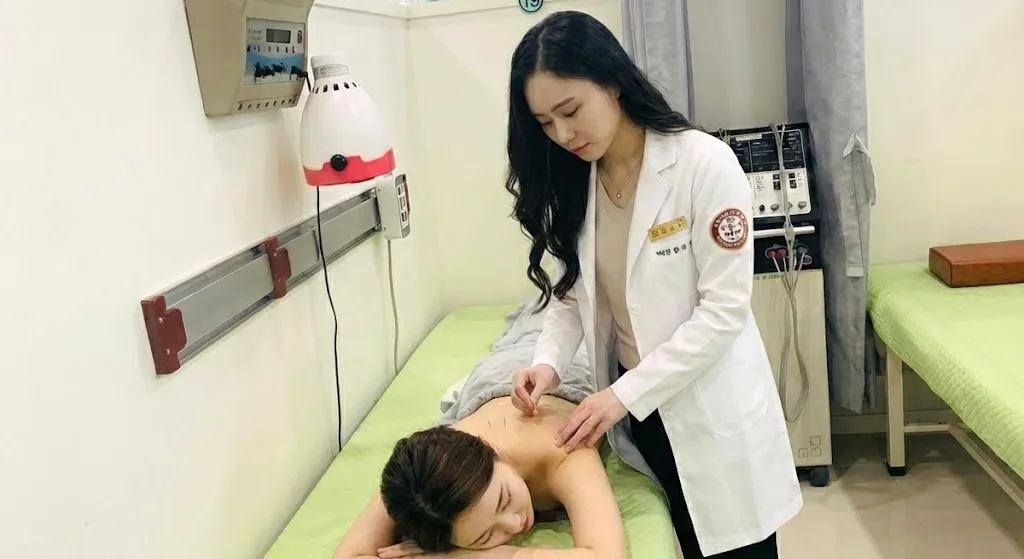
Acupuncture
Meridian point stimulation to normalize blood circulation around the spine and joints, relieving muscle stiffness while promoting pain relief and anti-inflammatory effects.
- Neck & back pain
- Joint pain
- Nerve compression
- Muscle relaxation
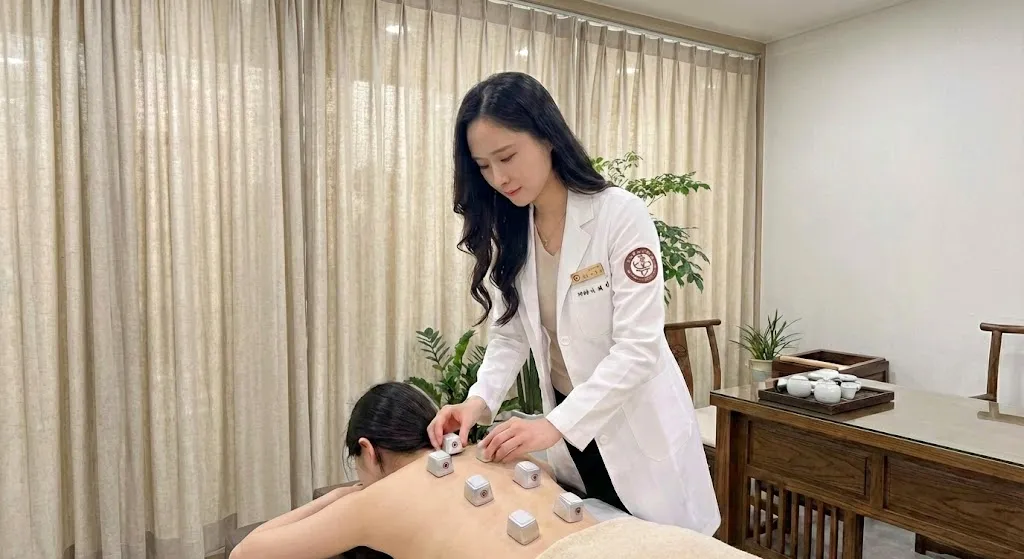
Moxibustion
Heat stimulation to promote blood circulation around joints and relieve stiffness caused by cold.
- Joint coldness
- Circulation boost
- Stiffness relief
- Immune support

Chuna & Physical Therapy
Correcting misaligned spine and joints while combining physical therapy to restore structural balance.
- Spinal correction
- Joint alignment
- Pelvic correction
- Posture improvement
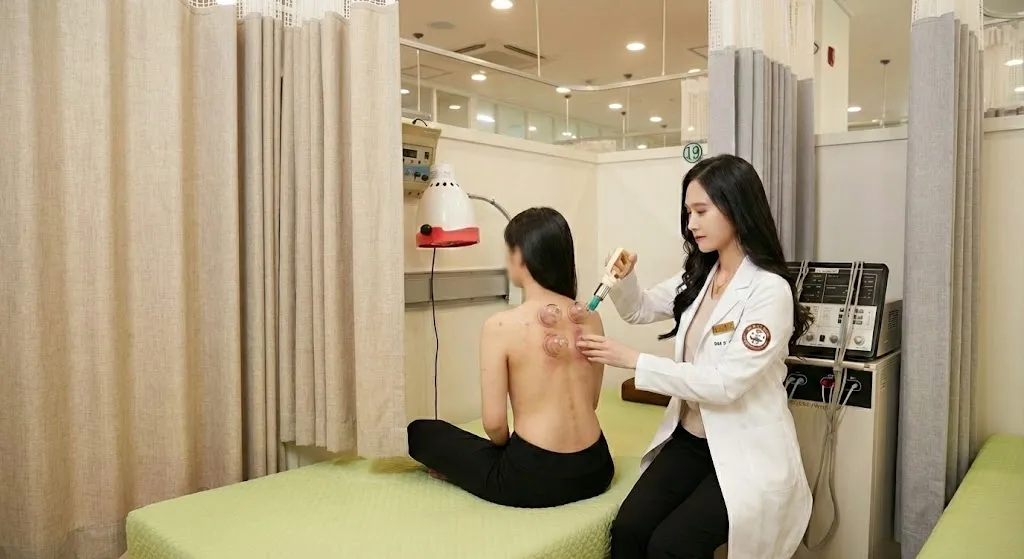
Cupping Therapy
Negative pressure therapy to remove blood stasis, promoting blood circulation in pain areas.
- Stasis removal
- Muscle knot relief
- Circulation improvement
- Pain relief

Pharmacopuncture
Injection of herbal extracts into meridian points for rapid anti-inflammatory and analgesic effects, promoting tissue recovery.
- Acute pain
- Disc pain
- Ligament injury
- Joint inflammation
Spine & Joint Pain Treatment Process
A systematic treatment process to support fundamental recovery.
1Step: Visit & Consultation
We carefully listen to your pain location, onset timing, and lifestyle habits to discuss treatment direction.
- Symptom review
- Lifestyle assessment
- Treatment consultation
2Step: Detailed Diagnosis
Combining Korean medicine pulse diagnosis and consultation with imaging reference to analyze the root cause of pain.
- Pulse diagnosis
- Consultation
- Image analysis
3Step: Personalized Treatment Plan
We develop an individualized treatment plan combining Korean medicine, acupuncture, and Chuna based on pain site, intensity, and constitution.
- Korean medicine prescription
- Acupuncture
- Chuna therapy
4Step: Intensive Treatment
Intensive treatment is administered per plan, monitoring progress and adjusting treatment intensity.
- Pain treatment
- Progress monitoring
- Intensity adjustment
5Step: Follow-up & Recovery
We evaluate treatment effectiveness and guide lifestyle management and exercises for relapse prevention.
- Outcome evaluation
- Relapse prevention
- Lifestyle guidance
Why Choose Chaeeum
Evidence-Based Treatment
We apply scientific Korean medicine treatment protocols based on SCI-level publications.
- Evidence-based medicine
- Clinical validation
- Latest protocols
Triple Mechanism Integration
Simultaneously treating blood circulation, muscle relaxation, and nerve regulation for maximum synergy.
- Integrated treatment
- Synergy effect
- Root treatment
Insurance Coverage
Korean medicine treatments including Chuna therapy are covered by national health insurance for affordable care.
- Chuna insurance
- Cost savings
- Better access
Non-Surgical Focus
Managing pain through integrated Korean medicine without surgery, reducing unnecessary surgical procedures.
- Non-surgical
- Minimal side effects
- Natural recovery
In-House Imaging
On-site X-ray equipment enables rapid initial diagnosis of fractures and alignment issues.
- In-house X-ray
- Fracture diagnosis
- Rapid initial diagnosis
Imaging Center Referral
MRI and CT scans are quickly arranged through our partnered radiology center for precise diagnosis.
- MRI/CT referral
- Precision imaging
- Accurate diagnosis
Integrative Medical & Korean Medicine Care
Beyond Korean medicine, we provide pain relievers, IV therapy, and other Western medical treatments as needed for faster pain management.
- Combined treatment
- Fast pain relief
- Integrative care
Inpatient Intensive Care
For severe pain or cases requiring intensive treatment, systematic inpatient care is available for focused recovery.
- Inpatient care
- Intensive treatment
- Systematic management
Frequently Asked Questions
Mild disc conditions can be sufficiently improved. Acupuncture and pharmacopuncture suppress inflammation, Chuna therapy corrects structural issues, and Korean medicine supports tissue recovery. However, severe cases with nerve paralysis may require surgery. We'll guide you to the optimal treatment approach after accurate diagnosis.
It depends on symptom severity, but we typically recommend 2–3 intensive sessions per week initially. As symptoms improve, frequency is reduced to once weekly, then adjusted based on progress. Most patients experience meaningful improvement within 4–12 weeks.
Functional pain not visible on imaging is very common. Micro-damage to muscles and ligaments, qi-blood circulation disorders, and myofascial pain are difficult to detect on MRI. Korean medicine diagnoses these functional issues through pulse examination and consultation, effectively treating them with acupuncture, pharmacopuncture, and Korean medicine.
Online Consultation
Feel free to leave your questions. We will get back to you promptly.
The efficacy and effect information on this page is general content based on academic research results, and treatment effects may vary by individual.
All diagnoses and prescriptions are made through direct consultation with a Korean medicine doctor, and the content on this page does not replace medical diagnosis or treatment.