
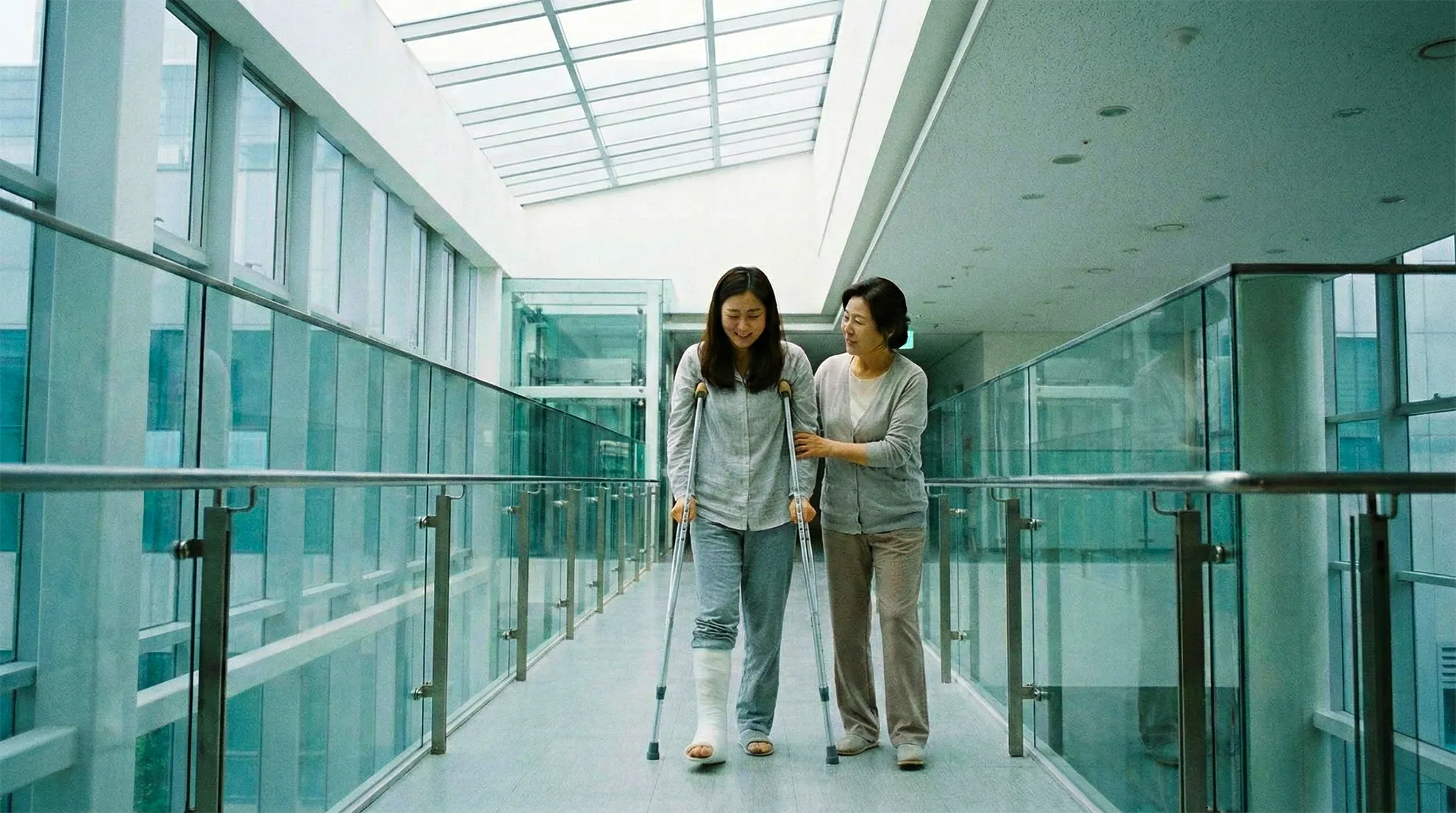
Post-Surgery Rehabilitation Treatment
Surgery Is Not the End.Rehabilitation Is Where True Recovery Begins
Why Do You Need Post-Surgery Rehabilitation?
Surgery removes the disease, but it doesn't fully restore the body. Pain often persists or function doesn't fully return after surgery. In particular, 'Failed Back Surgery Syndrome (FBSS)'—where pain recurs after spinal surgery—occurs in 10–40% of lumbar surgery patients.
Are You Struggling with These Post-Surgery Symptoms?
If any of the following apply to you, treatment may help.

Failed Back Surgery Syndrome (FBSS)
Persistent or recurring lower back pain and leg numbness after disc or spinal stenosis surgery. Caused by surgical adhesions, adjacent segment degeneration, or incomplete decompression. Korean medicine treatment has shown significant improvement in pain and function.
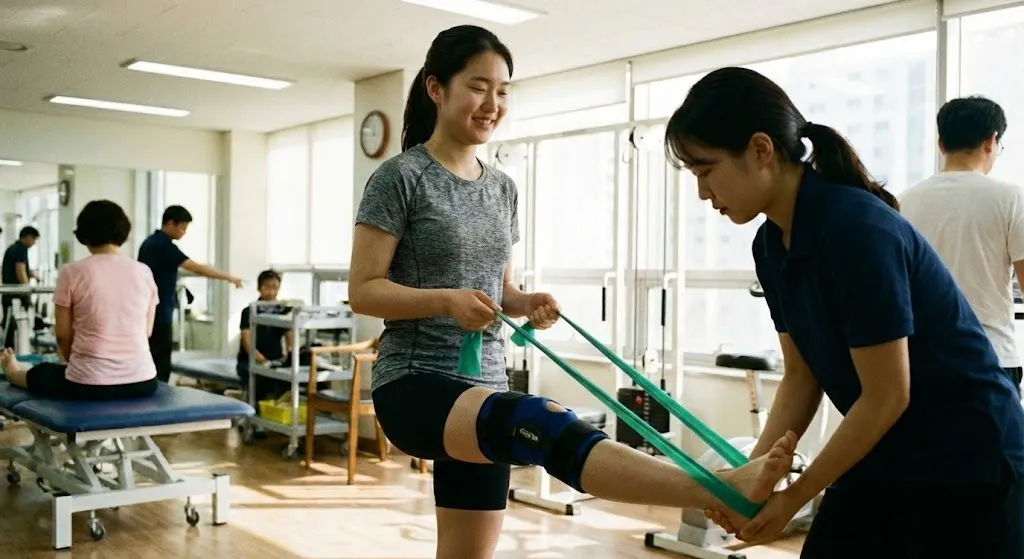
Joint Surgery Rehabilitation
Persistent pain and limited range of motion after knee replacement (TKA) or shoulder arthroscopic surgery. Acupuncture has been reported to significantly improve range of motion and pain within 2 weeks post-surgery.

Fracture Surgery Rehabilitation
Residual pain, swelling, and joint stiffness after fracture fixation surgery delays return to daily life. Acupuncture combined with rehabilitation showed superior results in pain reduction, function scores, and complication rates.
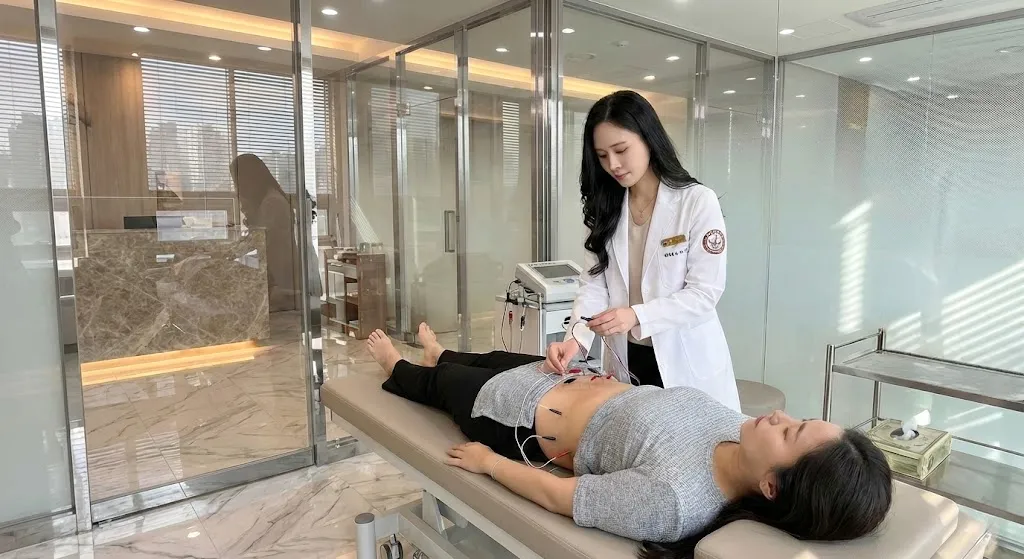
Gynecological Surgery Recovery
Persistent abdominal pain, digestive issues, adhesions, cold sensitivity, and swelling after hysterectomy, cesarean section, or ovarian cyst surgery. Electroacupuncture has been reported to significantly promote gastrointestinal recovery after gynecological surgery.
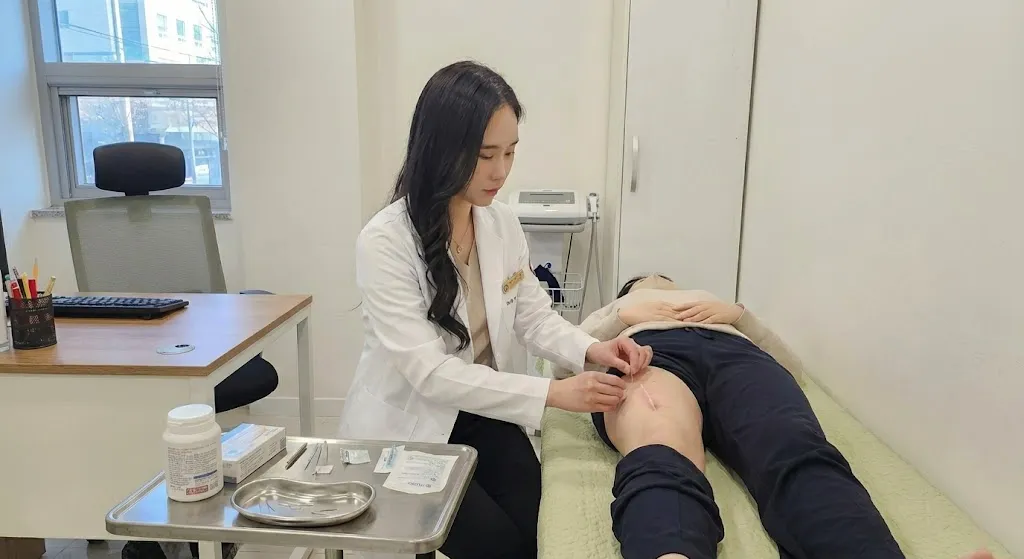
Post-Surgical Scar & Adhesion Pain
Scar tissue adhering to subcutaneous tissue and fascia at the surgical site causes persistent pain, pulling sensations, numbness, and restricted movement. Acupuncture has shown effectiveness in scar pain reduction and ROM recovery.
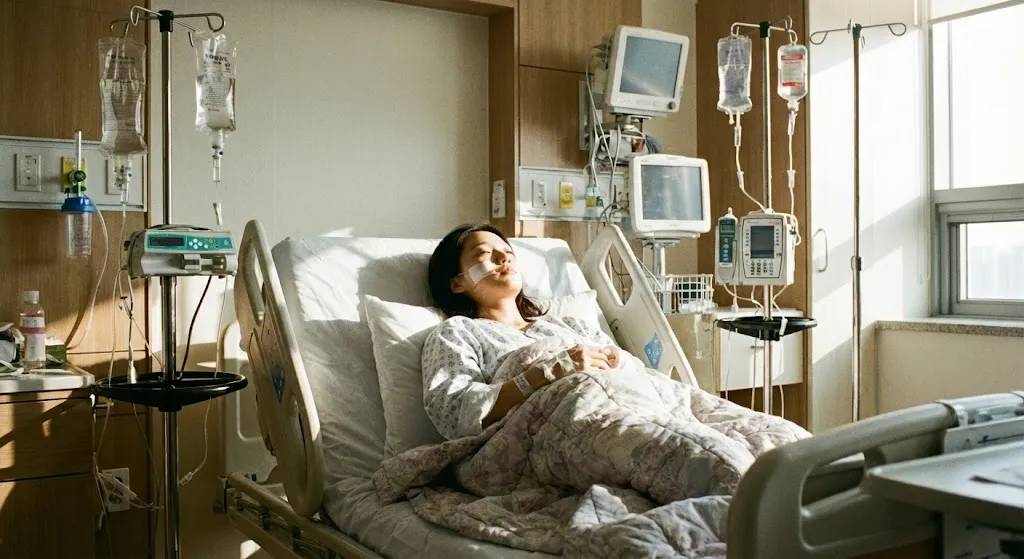
Post-Surgical General Condition Decline
Overall decline in energy, immunity, sleep quality, digestion, and mood after surgery delays return to daily life. Acupuncture has been shown to contribute to enhanced recovery after surgery (ERAS) through pain management and GI function restoration.
3 Mechanisms That Aid Post-Surgery Recovery
We address post-surgical issues from multiple angles based on the latest research.
Adhesion Resolution & Tissue Regeneration
Acupuncture improves microcirculation at adhesion sites and inhibits TGF-β overexpression to prevent excessive scar formation. It induces collagen remodeling to soften scar tissue and promote tissue regeneration.
Pain Blocking & Reduced Painkiller Dependence
Acupuncture inhibits pain transmission substances at the spinal level and promotes endorphin and serotonin release at the brain level, achieving natural pain management without reliance on painkillers.
GI Function & Whole-Body Recovery
Electroacupuncture activates the vagus nerve to suppress intestinal inflammation and promote peristalsis. Korean medicine replenishes qi and blood to restore post-surgical energy and immunity.
Customized Korean Medicine Prescriptions for Post-Surgery Recovery
We prescribe personalized Korean medicine to replenish qi-blood, resolve blood stasis, and promote tissue regeneration based on surgery type and recovery stage.
Dokhwal-gisaeng-tang
Used for qi-blood deficiency combined with wind-dampness. Applied for post-surgical lower back and knee pain with joint stiffness.
- Post-surgical back pain
- Joint stiffness
- Wind-dampness removal
- Musculoskeletal support
Boyang-hwano-tang
Used for qi deficiency with blood stasis pattern. Improves post-surgical blood circulation disorders and numbness.
- Blood circulation
- Numbness relief
- Energy recovery
- Stasis removal
Sipjeondaebo-tang
Used for dual qi-blood deficiency. Restores post-surgical energy and immune function decline.
- Energy recovery
- Immune boost
- Qi-blood replenishment
- General condition improvement
Geoeo-hwalhyeol-jitong-tang
Used for post-traumatic blood stasis stagnation. Relieves swelling and pain after fracture and joint surgery.
- Post-fracture swelling
- Post-surgical pain
- Stasis resolution
- Blood flow improvement
Prescriptions vary based on surgery type and recovery stage. Please receive a customized prescription after accurate diagnosis.
Chaeeum's Integrated Rehabilitation Treatment
We combine Korean medicine with various Korean medicine treatments for post-surgical pain relief and fundamental functional recovery.
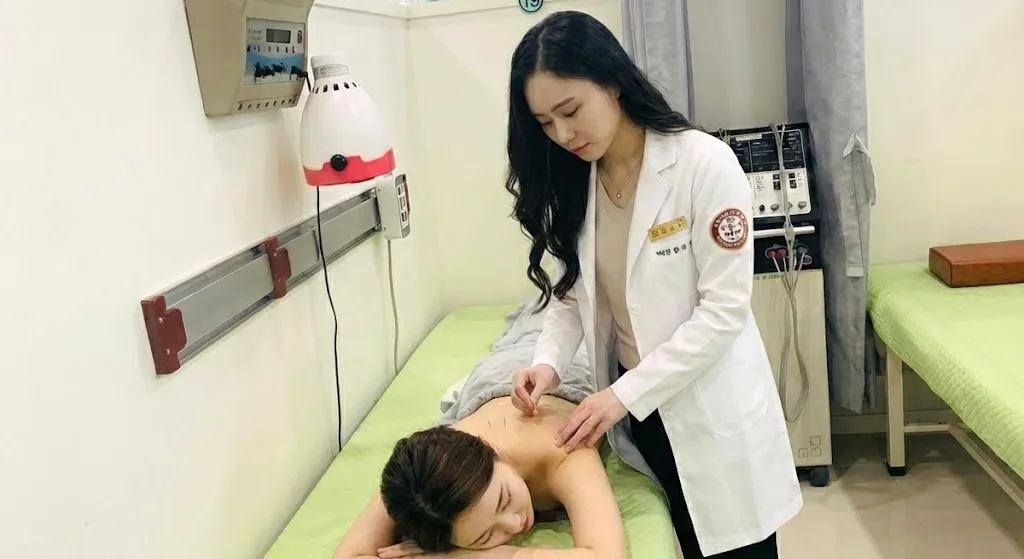
Acupuncture
Combined with physical therapy from the earliest possible time after surgery, acupuncture and electroacupuncture on local and distal points around the surgical site relieve pain and promote tissue recovery.
- Post-surgical pain
- Range of motion
- Adhesion pain
- Nerve recovery
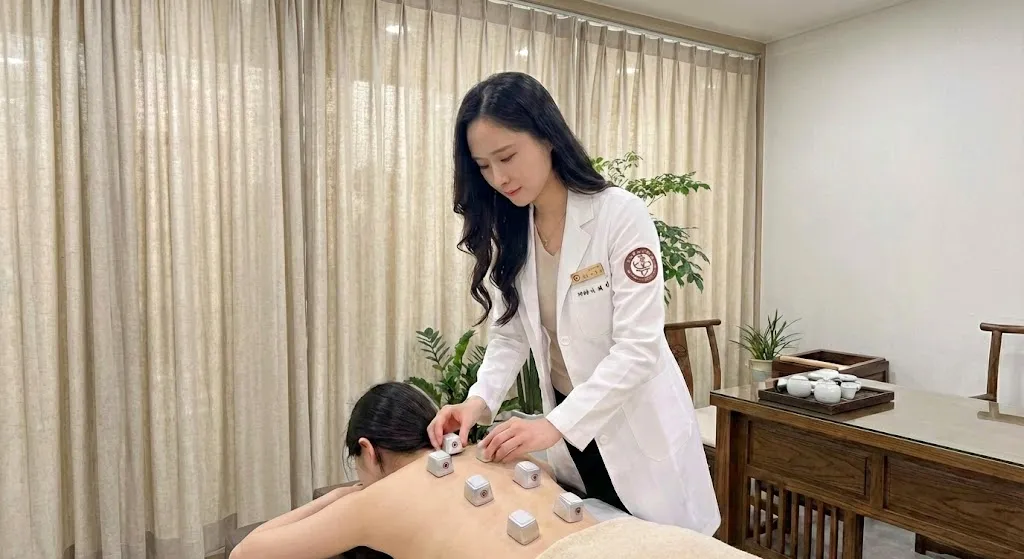
Moxibustion
Heat stimulation around the surgical site to improve blood flow and relieve cold sensitivity and stiffness, promoting tissue recovery.
- Surgical site circulation
- Cold relief
- Immune support
- Tissue recovery
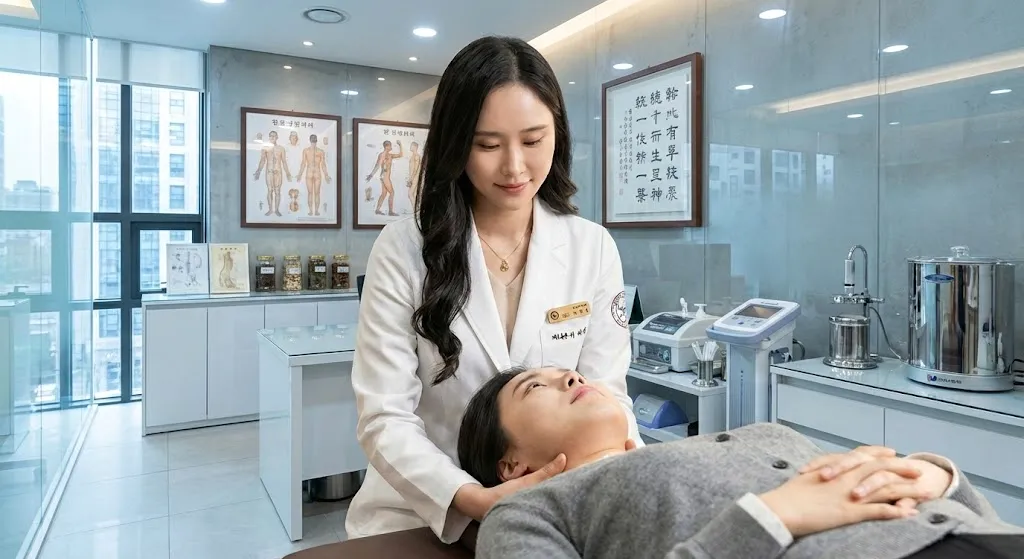
Chuna & Physical Therapy
Correcting structural imbalances in the spine and joints caused by surgery, combined with heat therapy, electrical stimulation, and staged exercise programs for strength recovery.
- Structural balance
- Range of motion
- Strength recovery
- Posture correction
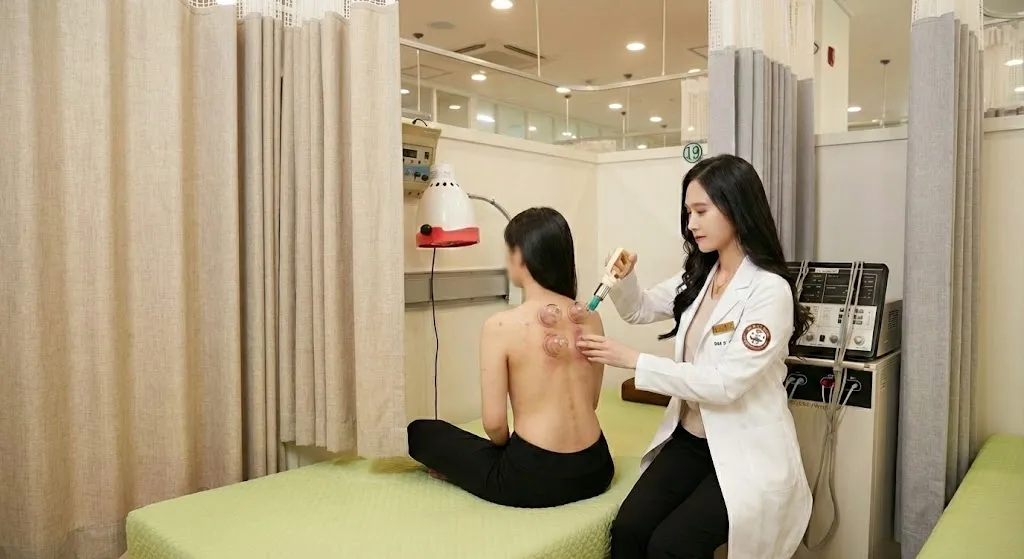
Cupping Therapy
Negative pressure therapy to remove blood stasis around the surgical site, promoting circulation to reduce swelling and pain.
- Stasis removal
- Surgical site circulation
- Swelling relief
- Muscle relaxation

Pharmacopuncture
Direct injection of herbal extracts into acupoints near the surgical site for localized anti-inflammatory and analgesic effects while resolving adhesions.
- Adhesion resolution
- Anti-inflammatory
- Nerve regeneration
- Tissue recovery
Post-Surgery Rehabilitation Process
A customized 5-step rehabilitation process based on surgery type, timing, and residual symptoms.
1Step: Surgical History & Current Status Assessment
We comprehensively review surgical records (type, timing, implants), imaging data, current symptoms (pain location and intensity), and daily life limitations.
- Surgical records
- Imaging review
- Symptom assessment
2Step: Korean Medicine Diagnosis
Through pulse, tongue, and abdominal diagnosis, we assess qi-blood status, blood stasis, and adhesion sites, evaluating your constitutional recovery state after surgery.
- Pulse diagnosis
- Qi-blood assessment
- Stasis diagnosis
3Step: Stage-Based Rehabilitation Goal Setting
We design treatment goals and combinations for each stage: acute (1–4 weeks), subacute (1–3 months), and chronic (3+ months).
- Stage-based goals
- Treatment design
- Long-term roadmap
4Step: Intensive Rehabilitation Treatment
Combining acupuncture, pharmacopuncture, Korean medicine, Chuna, and physical therapy, with reassessment of pain scores and ROM every 2–4 weeks.
- Integrated treatment
- Regular reassessment
- Intensity adjustment
5Step: Maintenance & Relapse Prevention
After intensive treatment, we guide core strengthening exercises, proper posture education, and lifestyle management to prevent relapse.
- Outcome evaluation
- Relapse prevention
- Exercise guidance
Why Choose Chaeeum for Post-Surgery Rehabilitation
Evidence-Based Treatment
We apply treatment protocols based on the latest 2024–2025 systematic reviews and meta-analyses published in international journals, determining the most effective approach for each surgery type.
- Evidence-based medicine
- Clinical validation
- Latest protocols
Surgery Type & Stage-Based Custom Rehab
We finely adjust treatment intensity and methods based on surgery type (spine, joint, fracture, gynecological) and recovery stage (acute, subacute, chronic).
- Surgery-specific care
- Stage-based treatment
- Complex pain management
Korean Medicine Insurance
Korean medicine decoctions for lumbar disc herniation are covered by national health insurance for up to 20 days per year, making long-term rehabilitation affordable and accessible.
- Insurance covered
- Up to 20 days/year
- Reduced costs
Drug-Free Pain Management
Acupuncture promotes natural painkiller release (endorphins, serotonin) to manage post-surgical pain while reducing dependence on medications.
- Natural pain relief
- Reduced drug dependence
- Minimal side effects
In-House Imaging
On-site X-ray equipment enables rapid initial diagnosis of fractures and alignment issues.
- In-house X-ray
- Fracture diagnosis
- Rapid initial diagnosis
Imaging Center Referral
MRI and CT scans are quickly arranged through our partnered radiology center for precise diagnosis.
- MRI/CT referral
- Precision imaging
- Accurate diagnosis
Integrative Medical & Korean Medicine Care
Beyond Korean medicine treatment, we provide pain relievers, IV therapy, and other treatments as needed for faster pain management.
- Combined treatment
- Fast pain relief
- Integrative care
Inpatient Intensive Care
For severe pain or cases requiring intensive treatment, systematic inpatient care is available for focused recovery.
- Inpatient care
- Intensive treatment
- Systematic management
Frequently Asked Questions
It depends on the surgery type and condition, but acupuncture can generally begin once the surgical site has stabilized (1–2 weeks). For knee replacement, early combination of acupuncture with physical therapy from 1–2 days post-surgery is recommended. Distal acupoint treatment (points far from the surgical site) can start relatively early.
Yes, persistent or recurring pain after spinal surgery (FBSS) is a primary indication for Korean medicine treatment. A multicenter prospective study showed that 16 weeks of Korean medicine treatment significantly improved back and leg pain, disability, and quality of life, with effects maintained at 1-year follow-up. Since FBSS involves complex causes like adhesions, adjacent segment issues, and muscle weakness, an integrated approach is most effective.
A 2025 systematic review (16 RCTs, 1,315 patients) showed that acupuncture combined with rehabilitation after fracture surgery produced superior results in pain reduction, functional scores, ROM improvement, and complication rates compared to rehabilitation alone. Acupuncture improves blood flow around the fracture site and reduces swelling to promote tissue recovery.
Yes, Korean medicine treatment can help with abdominal pain, adhesions, digestive issues, and cold sensitivity after hysterectomy, cesarean section, or ovarian cyst surgery. Electroacupuncture has been reported to promote GI recovery after gynecological surgery, and Korean medicine prescriptions like Sobok-chukeo-tang help resolve lower abdominal blood stasis and relieve adhesions and cold sensitivity.
Yes, our Korean medicine doctors review your current medications (painkillers, antibiotics, anticoagulants, etc.) and prescribe Korean medicine considering potential interactions. We may space medications or focus on acupuncture and Chuna during certain periods for safety. One goal of treatment is to gradually reduce painkiller dependence, so coordinated care actually aids recovery.
Online Consultation
Feel free to leave your questions. We will get back to you promptly.
The efficacy and effect information on this page is general content based on academic research results, and treatment effects may vary by individual.
All diagnoses and prescriptions are made through direct consultation with a Korean medicine doctor, and the content on this page does not replace medical diagnosis or treatment.